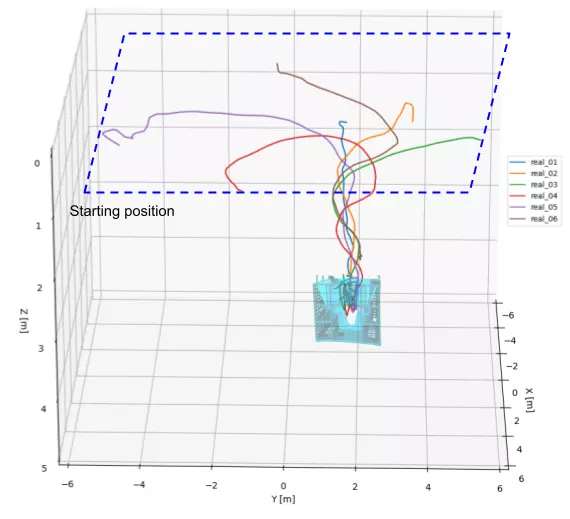
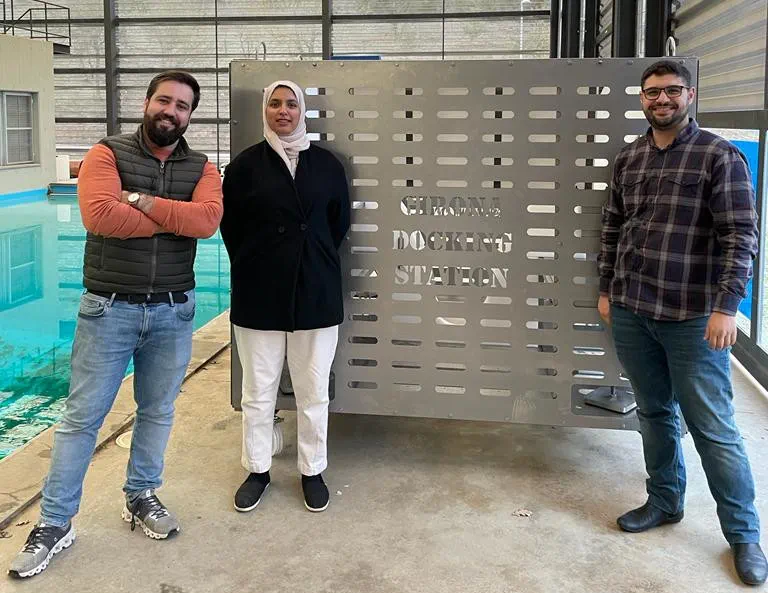
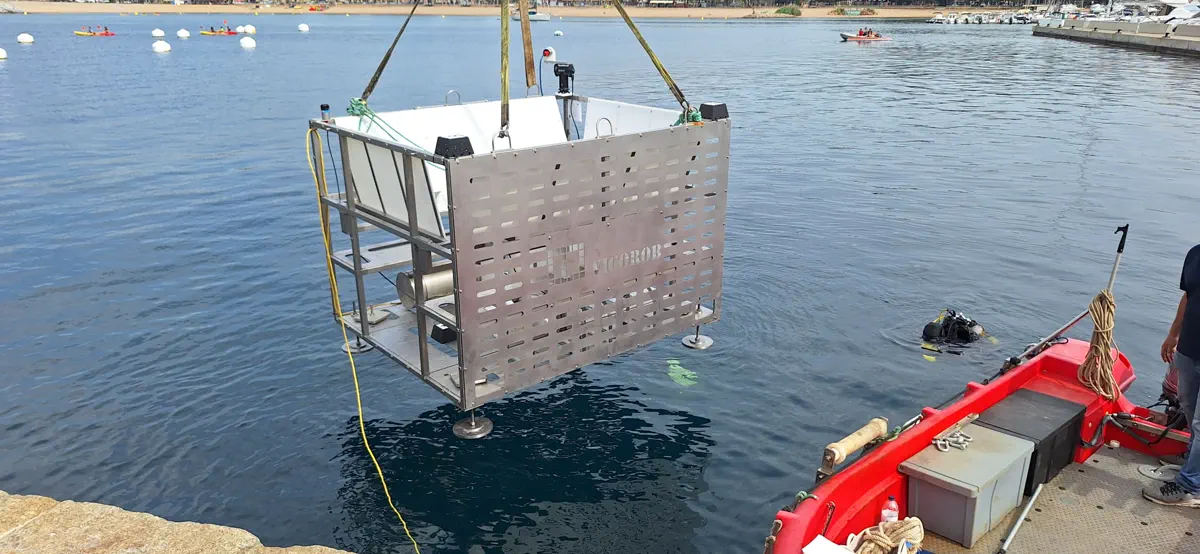
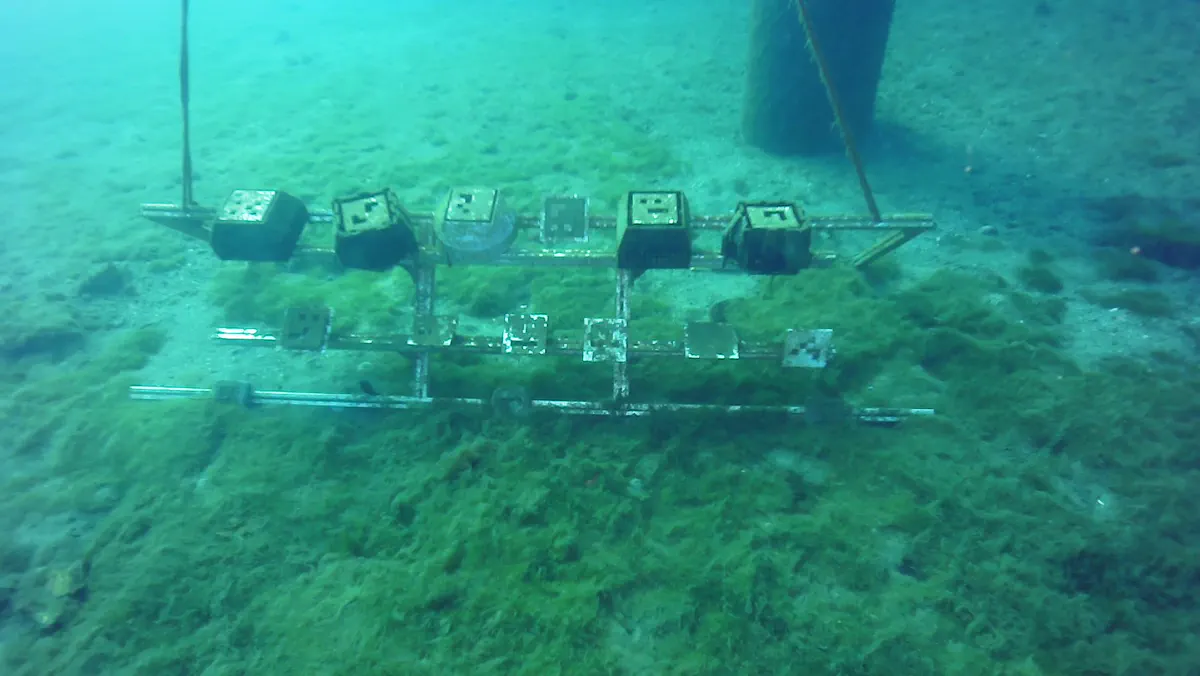
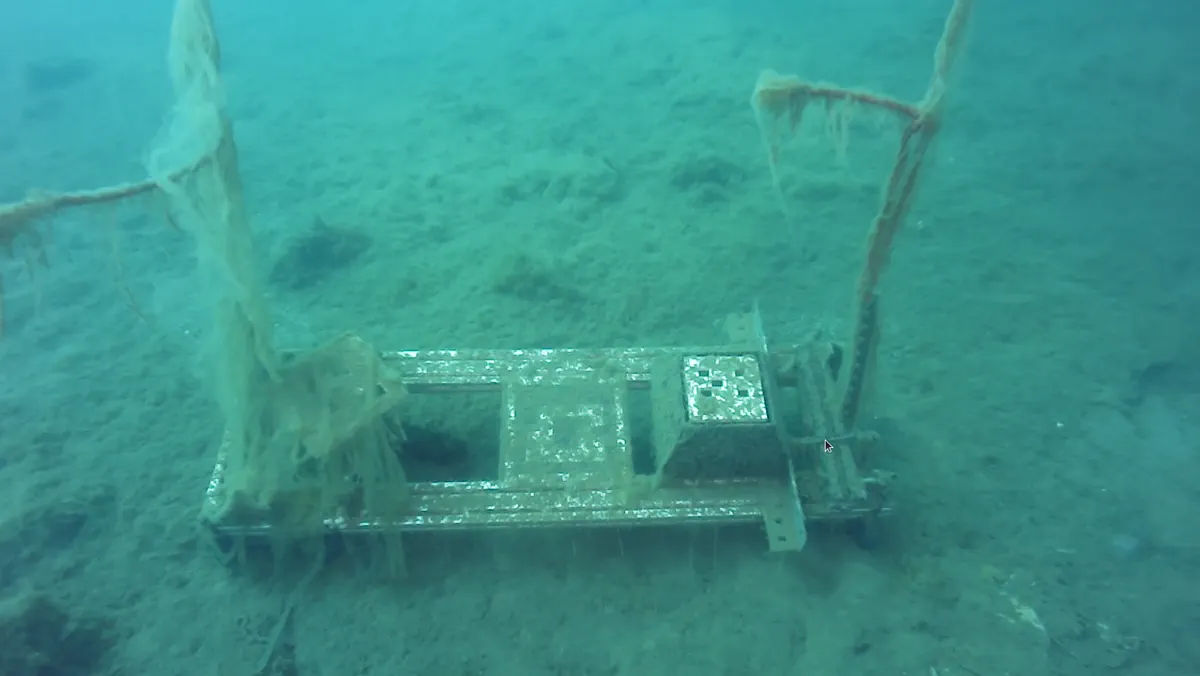
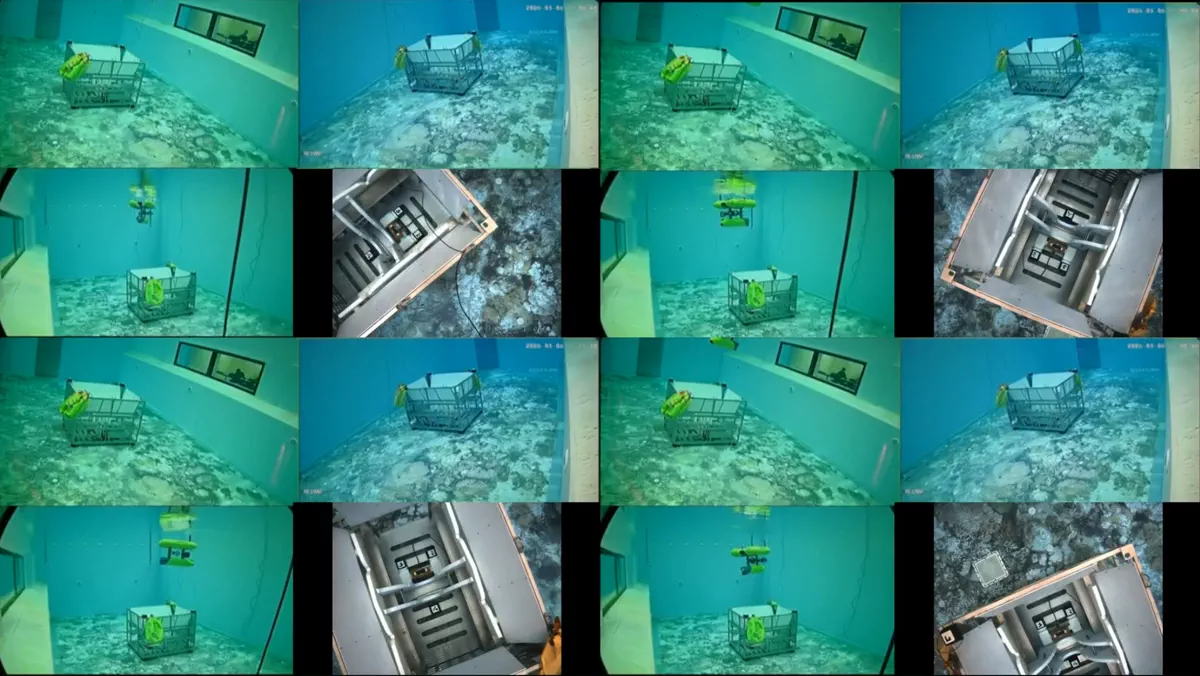
The experiment goal is to perform an autonomous docking cycle at OBSEA. The OBSEA underwater observatory is connected with 4 km of cable to the coast of Vilanova i la Geltrú (Barcelona, Spain) and placed at a depth of 20 meters in a fishing protected area.
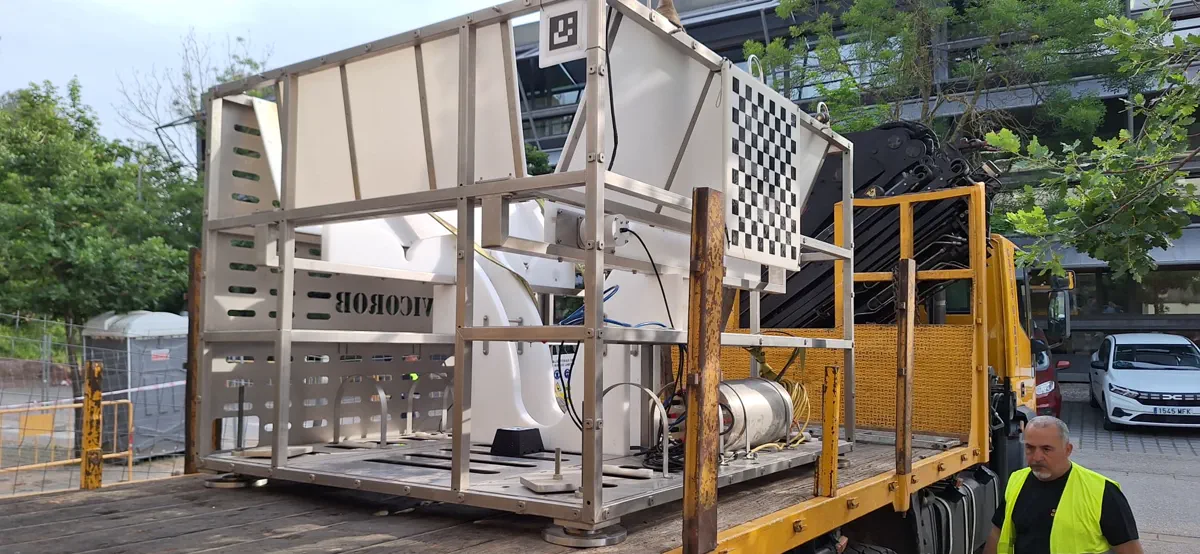
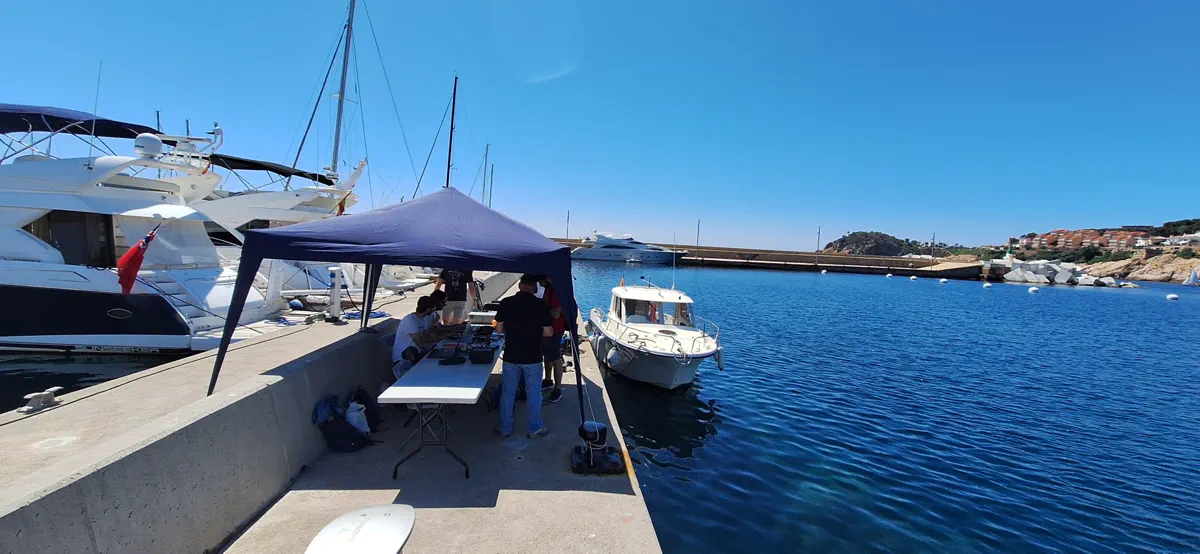
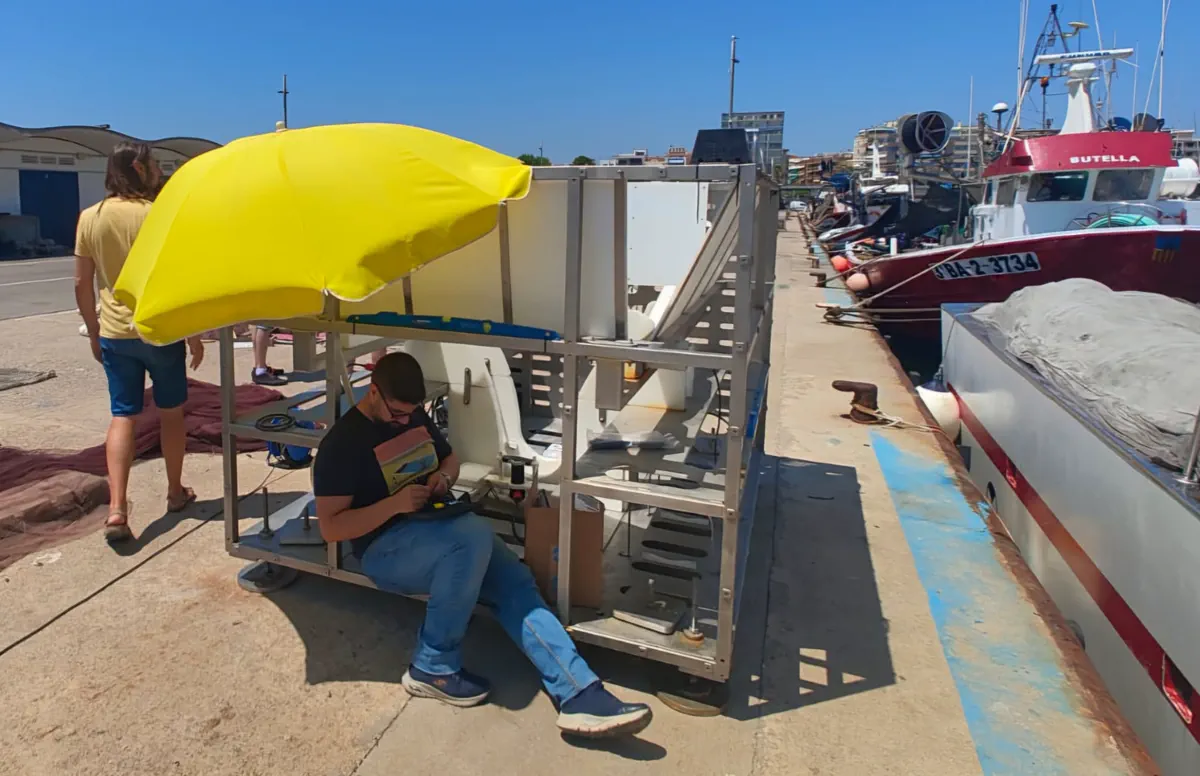
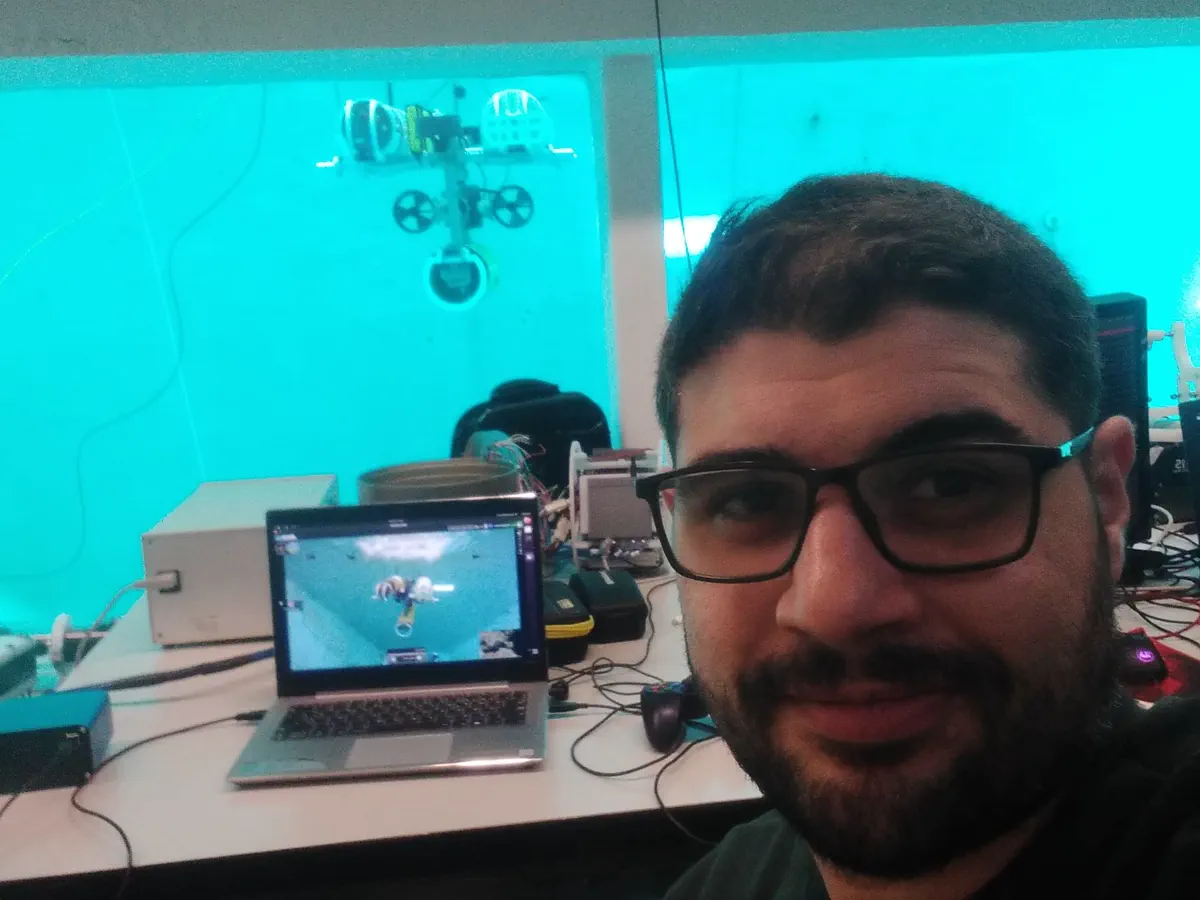
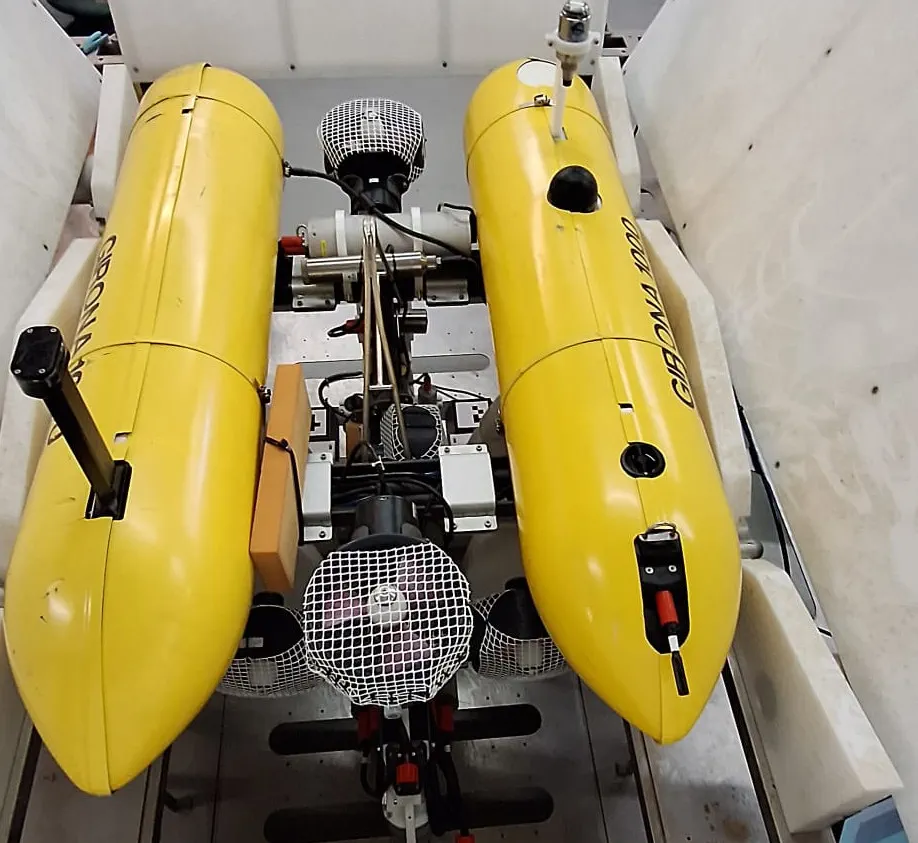
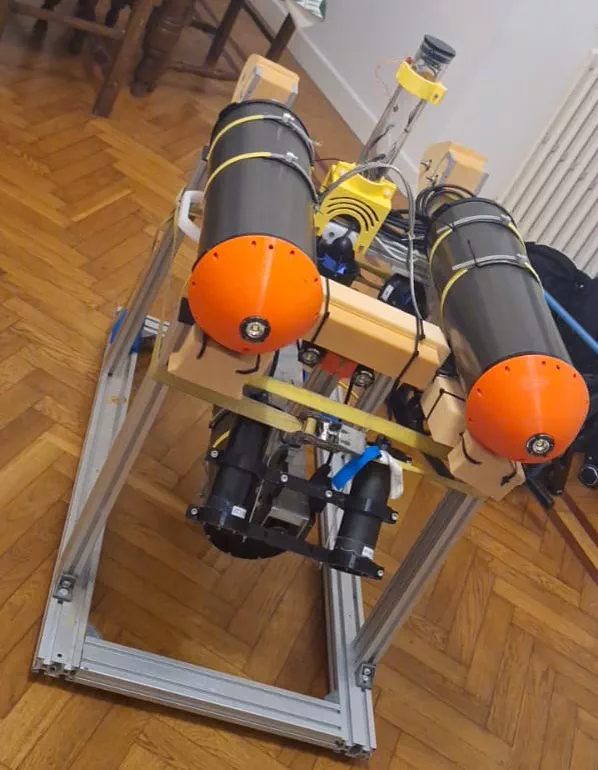
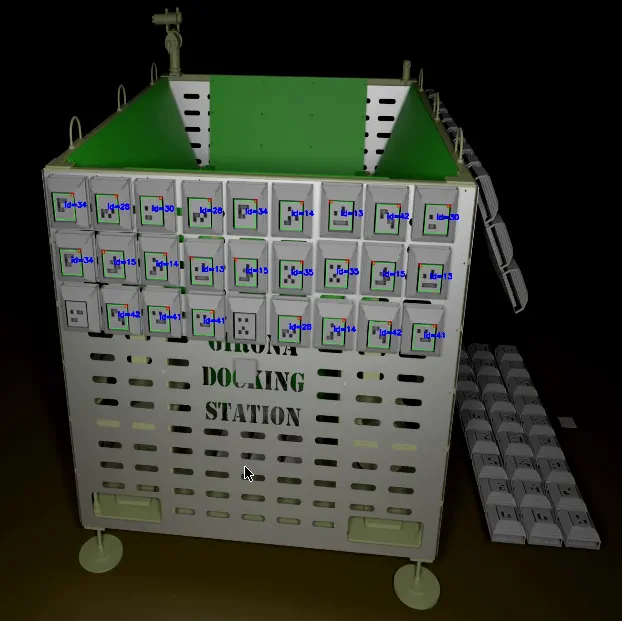
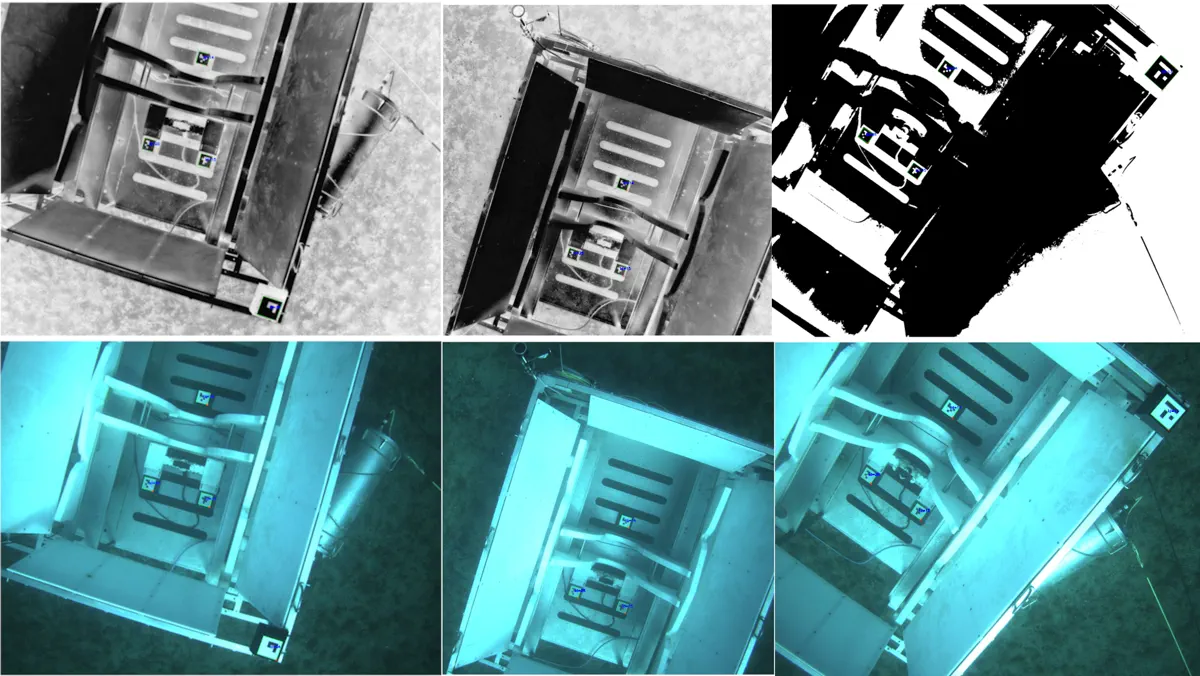
Our project began with the development of the Docking Station. The first test was conducted in the CIRS test tank, using visual feedback for docking. In June 2024, we performed the first test in the Sea of Sant Feliu de Guíxols. The Docking Station was equipped with a USBL that provided the initial position to start the homing process. During the process, the AUV reached a diameter of five meters around the DS. Once the Girona AUV identified the DS, it switched to visual feedback and performed the docking sequence.
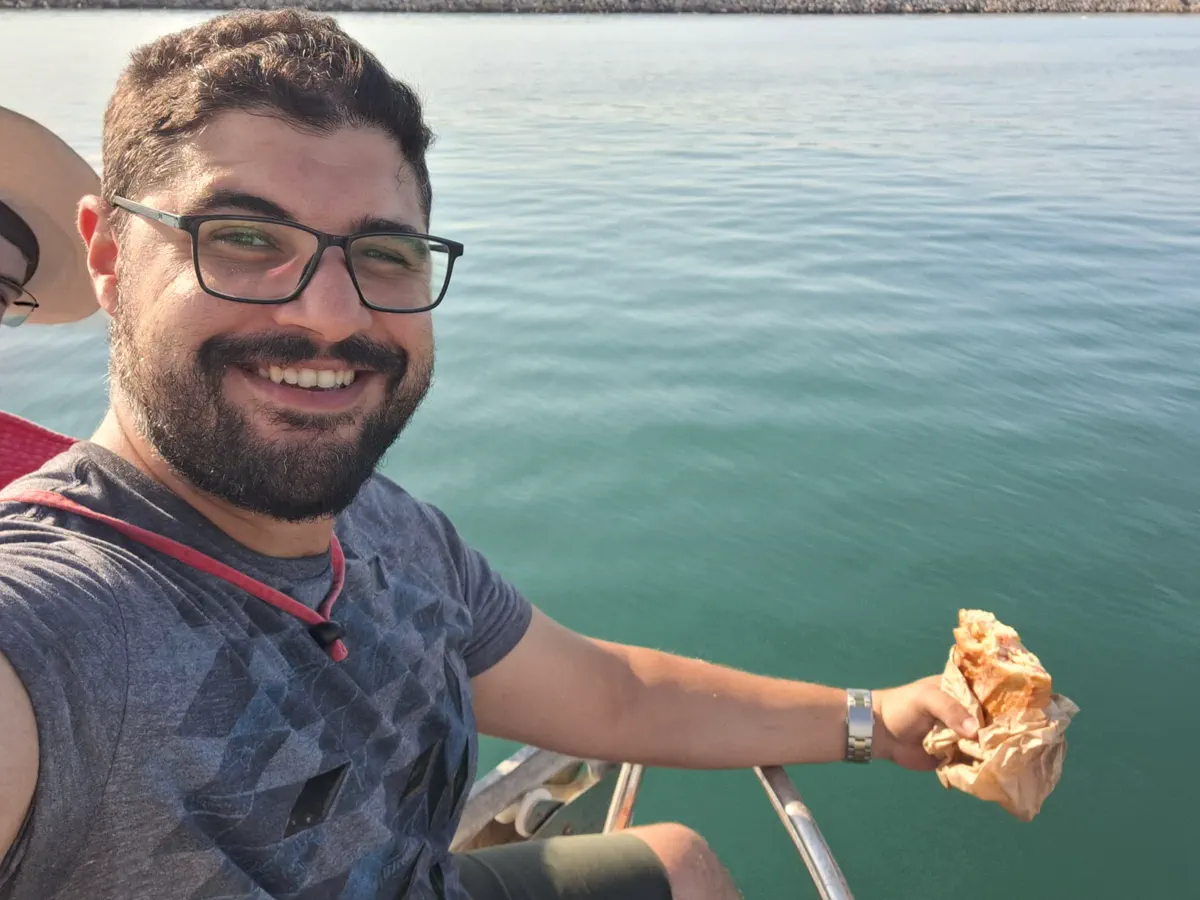
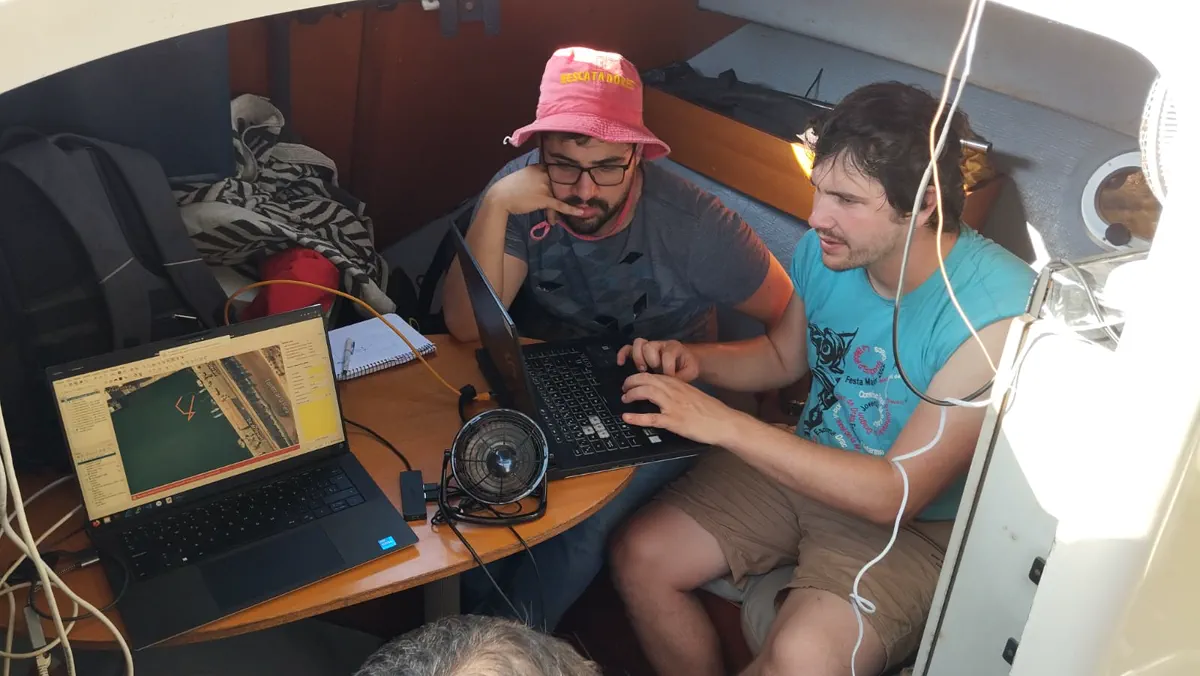
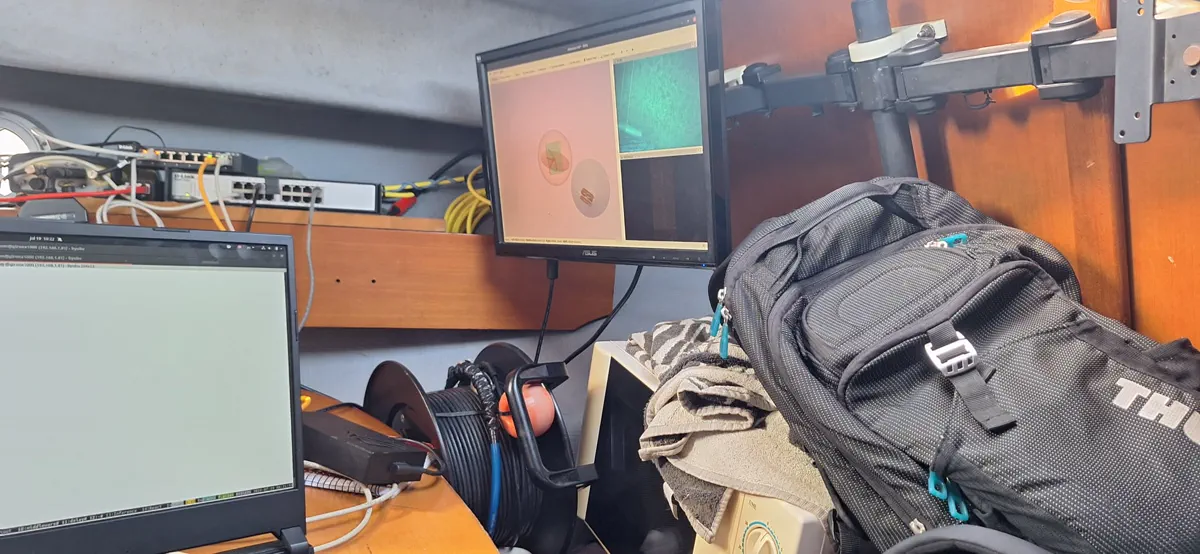
In July 2024, we carried out the docking mission in Vilanova at OBSEA. After a week of preparation and tuning, we began the docking experiments. We concluded the experiments with four scout missions conducted simultaneously, during which the AUV undocked, completed a scout mission, docked, and waited for the next command through Luma.
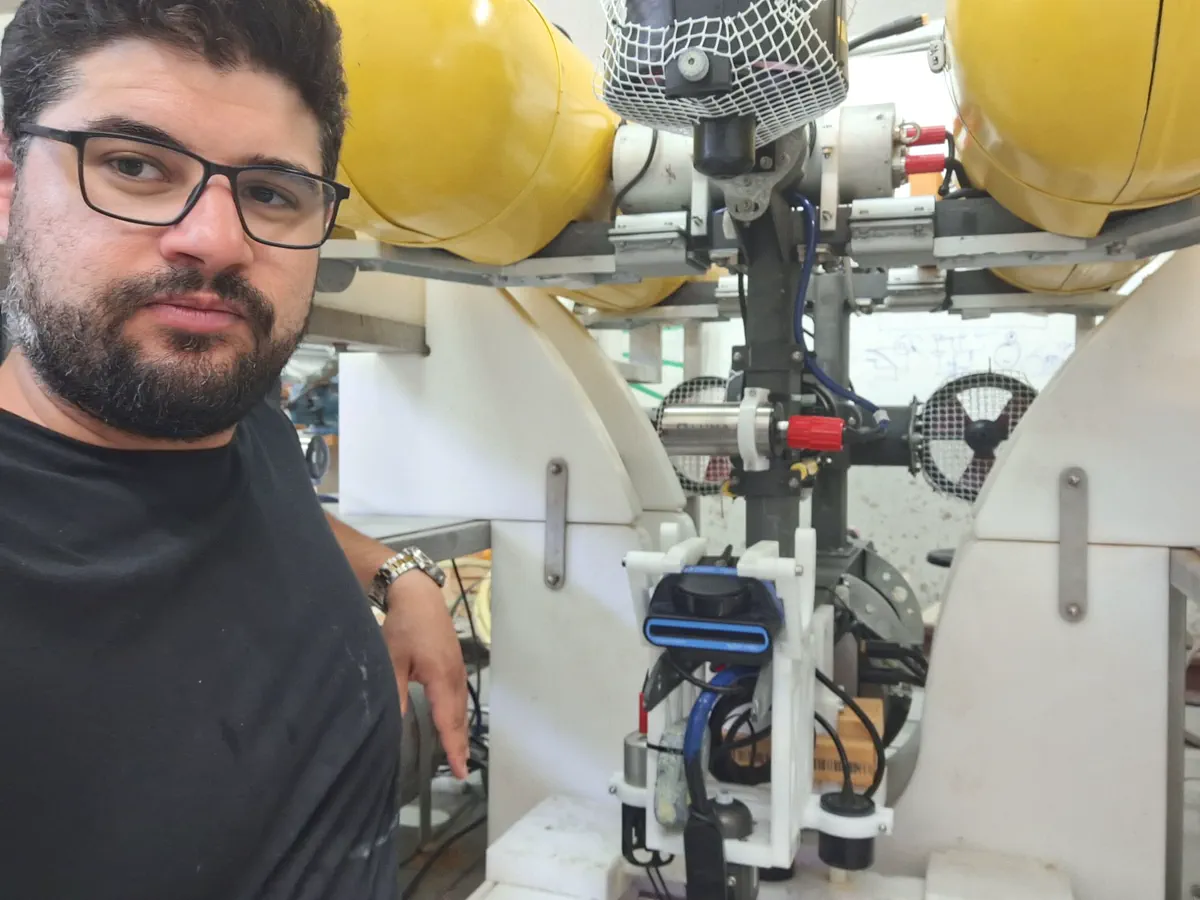
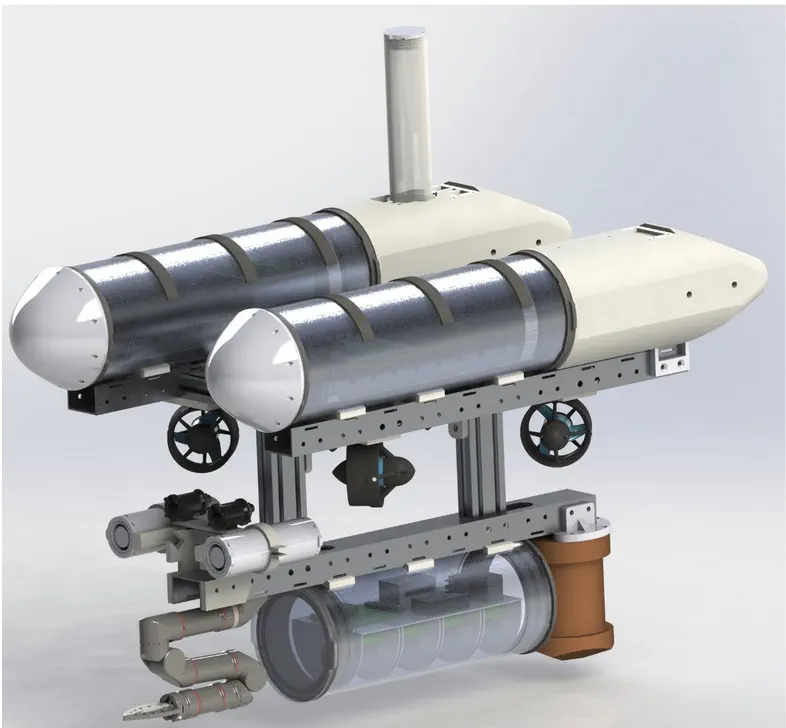
Mini Girona AUV is a simplified version of the Girona AUV. The mini Girona is equipped with the necessary tools to perform Autonomous missions including inspection, deep Learning and Manipulation.
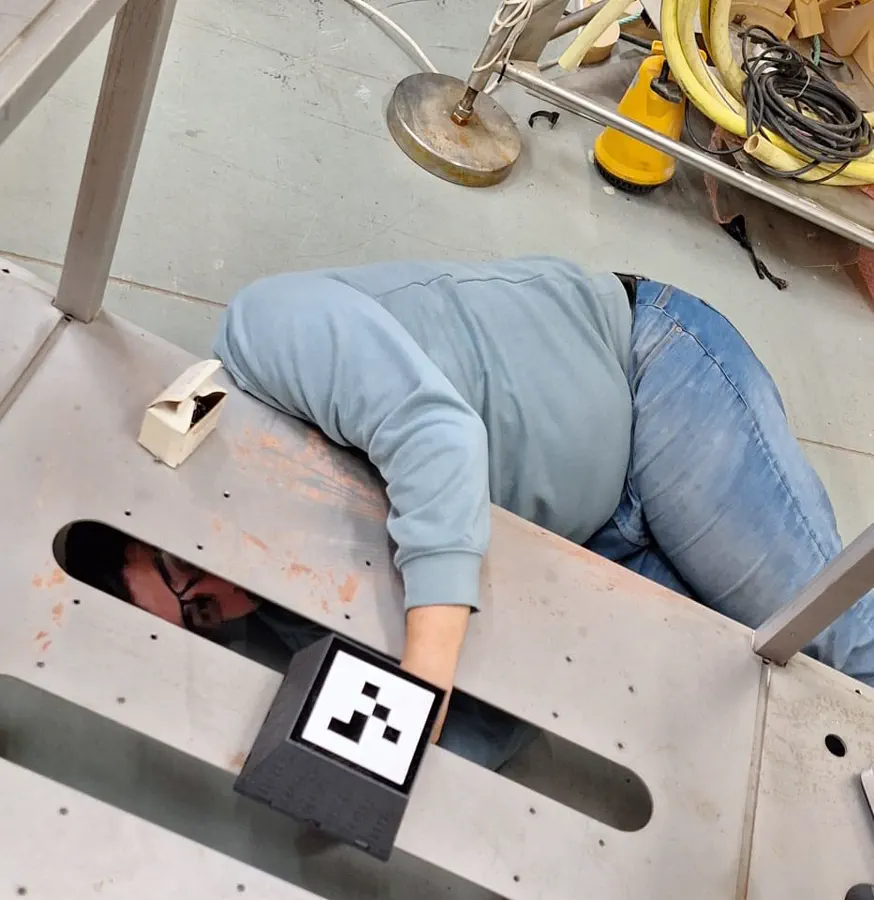
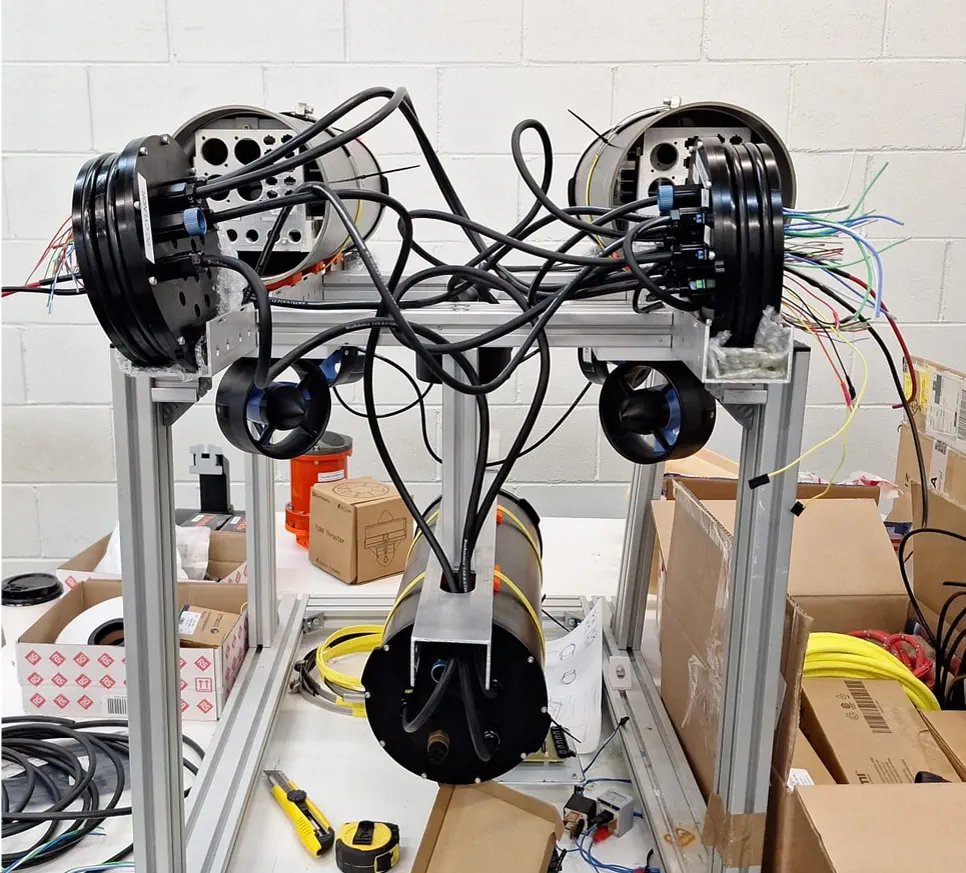
As the team leader of the Mini Girona project, we aim to deliver a prototype AUV capable of performing manipulation and inspection missions autonomously. To build the Mini Girona, I proposed three versions: one using Delrin, one with welded aluminum, and one with a Bosch frame. We decided to use the Bosch frame. The manufacturing process required CNC machining and hard anodization. I completed the CNC work on the U-frame to fit the required design, while other processes were carried out with the help of external manufacturers. Within the team, there is a group of students, each responsible for a task related to electronics and software. This project is ongoing, more about it will be updates soon.
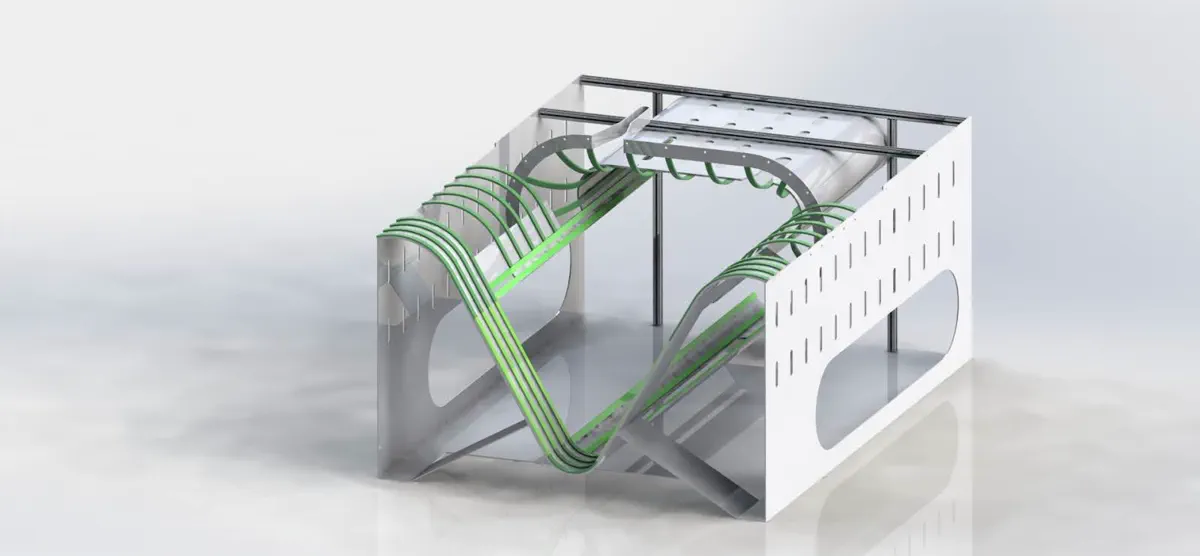
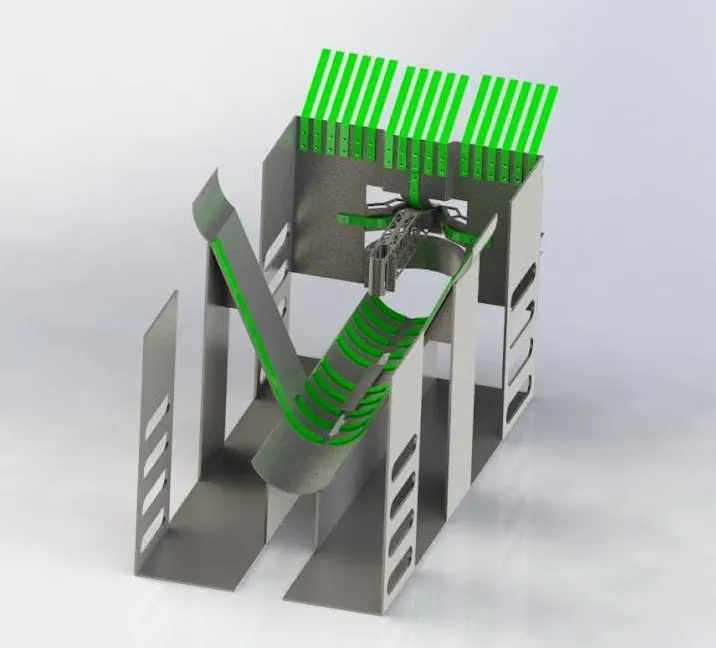
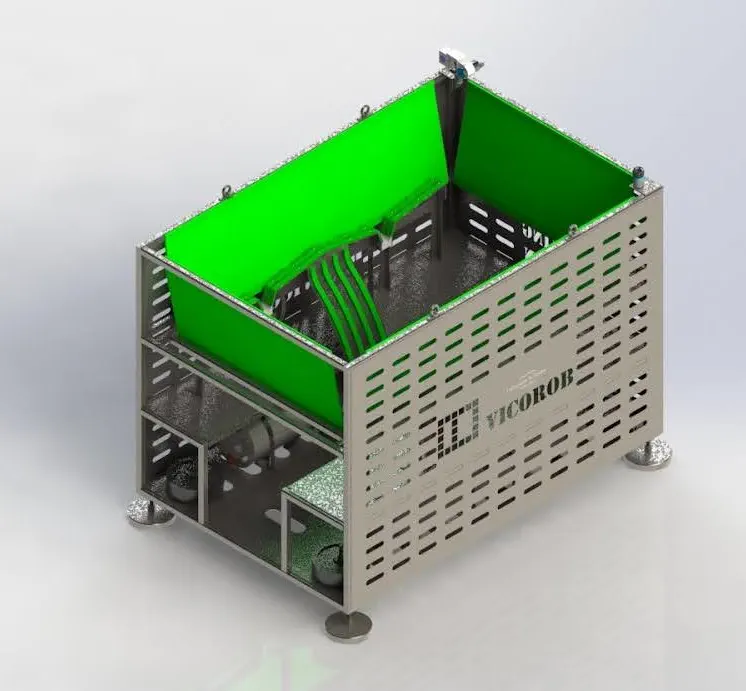
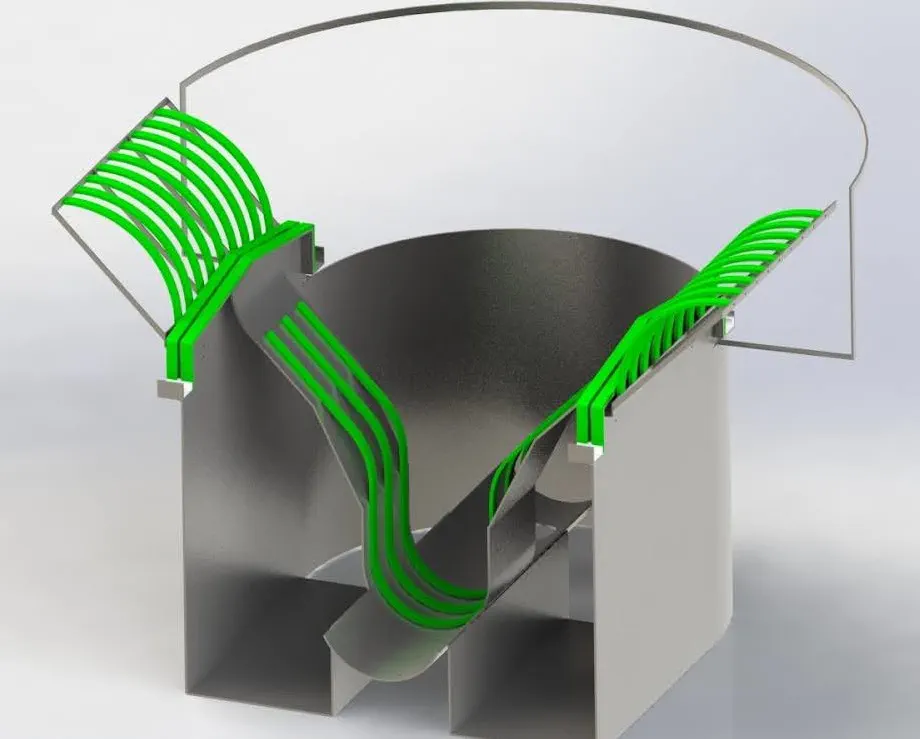
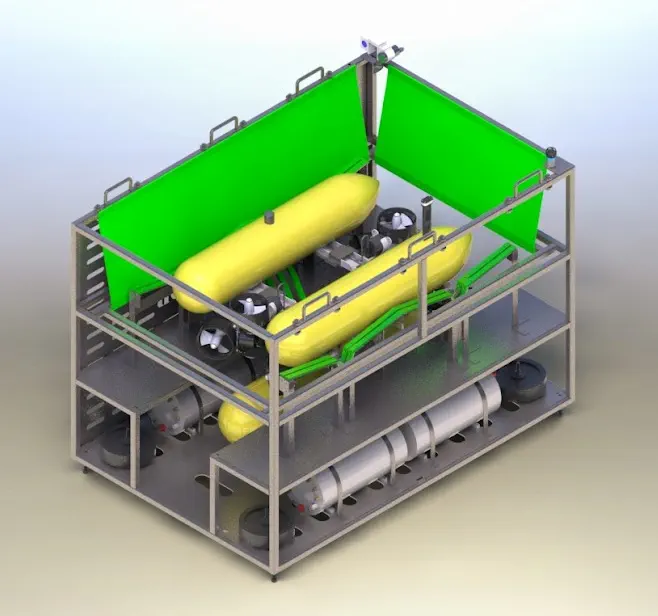
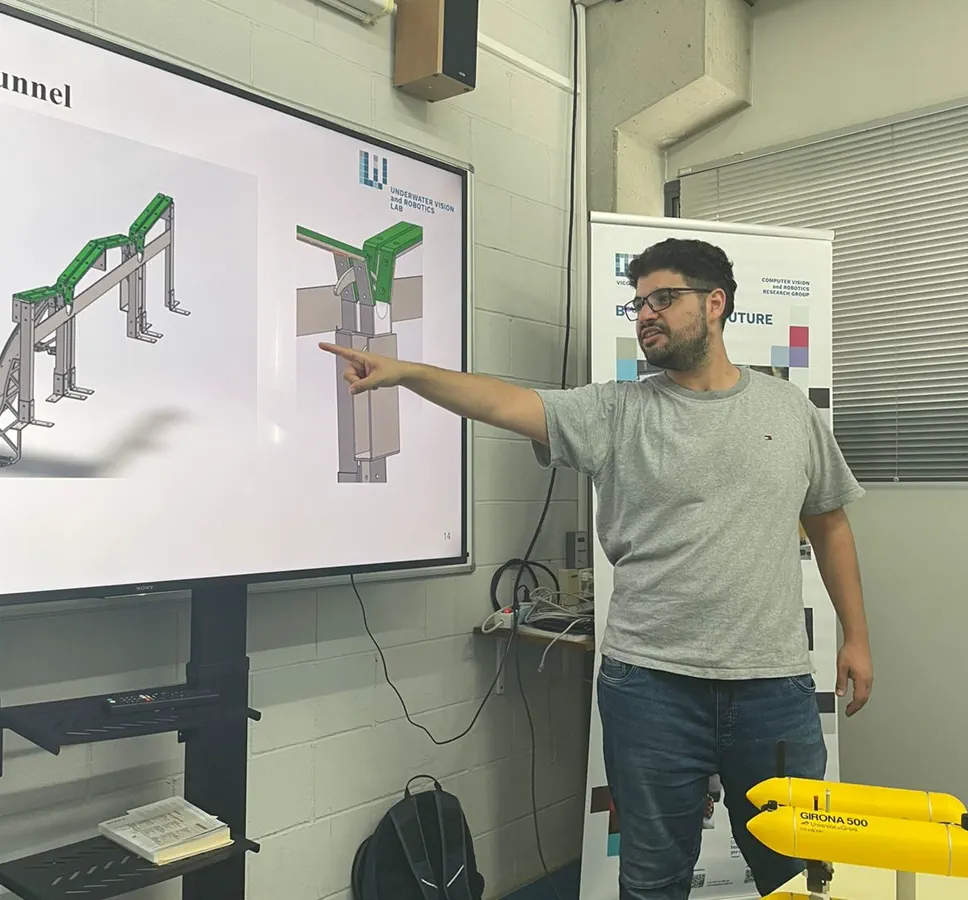
The Girona AUV is an interventional one. In this internship we propose and studied different designs for the Girona Docking Station
The main objective of this internship is to develop the initial concept for the docking station for the Girona AUV. At the outset, a study of the various technologies involved in underwater technology was conducted. The study also covered existing technologies related to underwater docking stations. Different proposals were then discussed, and the best one was selected based on the project criteria requirements. Finally, the design was approved for manufacturing.
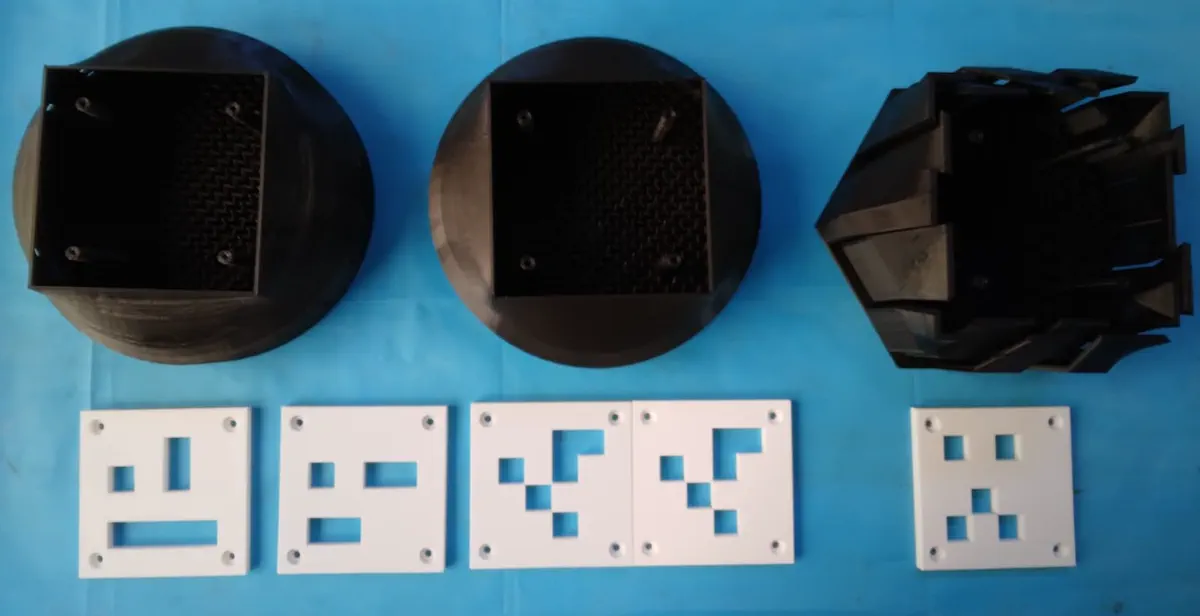
The 3D-BT is an outcome of my master thesis and past of the Ph.D study. It is used in underwater application as a landmark for localization. The 3D-BT is a 3D-printable design that allows research centers to use easily.
Deep reinforcement learning methods for decision-making, navigation, and autonomy in underwater robotic systems.
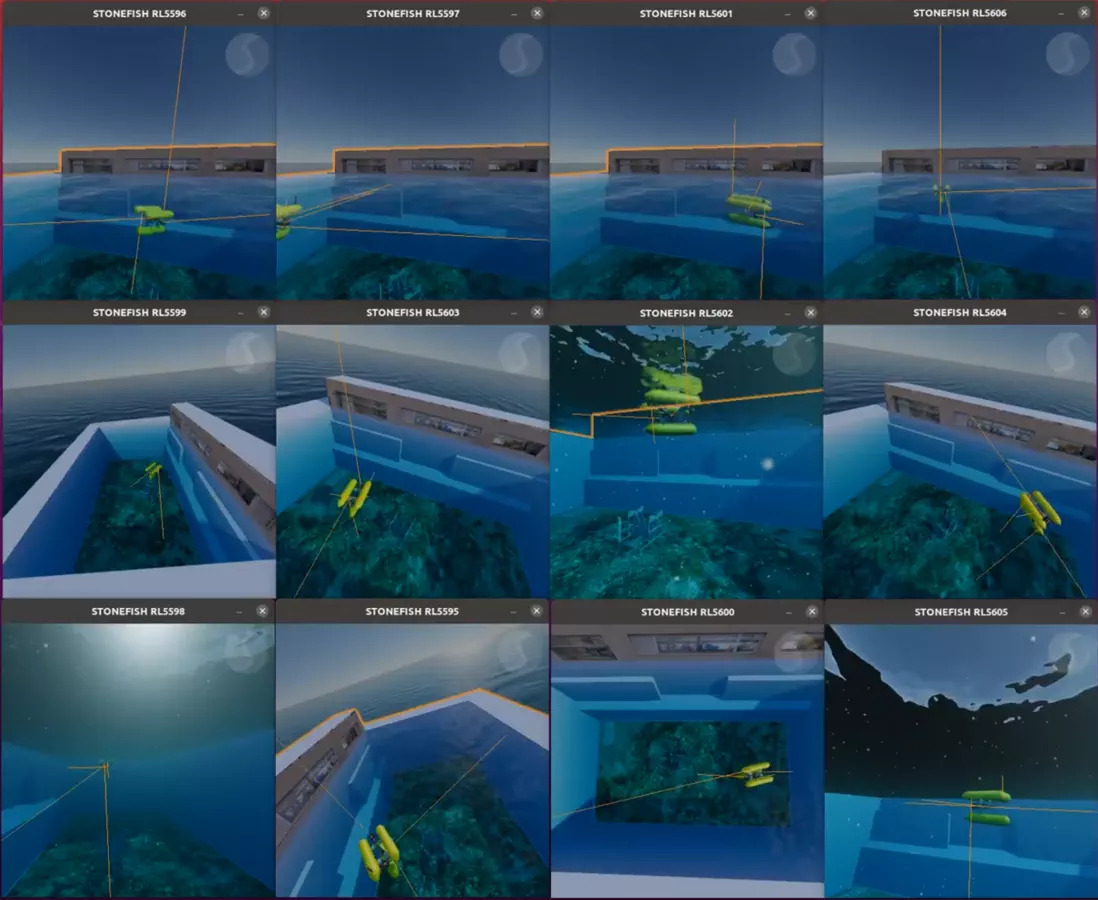
In this work, We created a library that utilizes Stonefish simulator to train deep reinforcement learning algorithms for underwater applications. Stonefish is a high-fidelity underwater simulator that provides realistic physics and environmental conditions for training and testing underwater robotic systems. By using Stablebaseline and Gym we create a multithreaded environment for training and testing different DRL algorithms. In this example we are utilizing the Girona AUV docking scenario to train a DRL agent for the docking task. The agent learns to control the AUV's thrusters to perform the docking maneuver successfully. The training process involves simulating multiple episodes of the docking task, where the agent receives rewards based on its performance in achieving the docking objective. The trained model can then be evaluated in the simulator and potentially transferred to real-world underwater robotic systems for further testing and deployment.
Using this library we trained the Girona AUV to perform docking and test in the water tank. The trained model was able to perform the docking maneuver successfully, demonstrating the potential of deep reinforcement learning for underwater robotic applications. This work contributes to the advancement of autonomous underwater systems by providing a framework for training and evaluating deep reinforcement learning algorithms in realistic underwater environments.
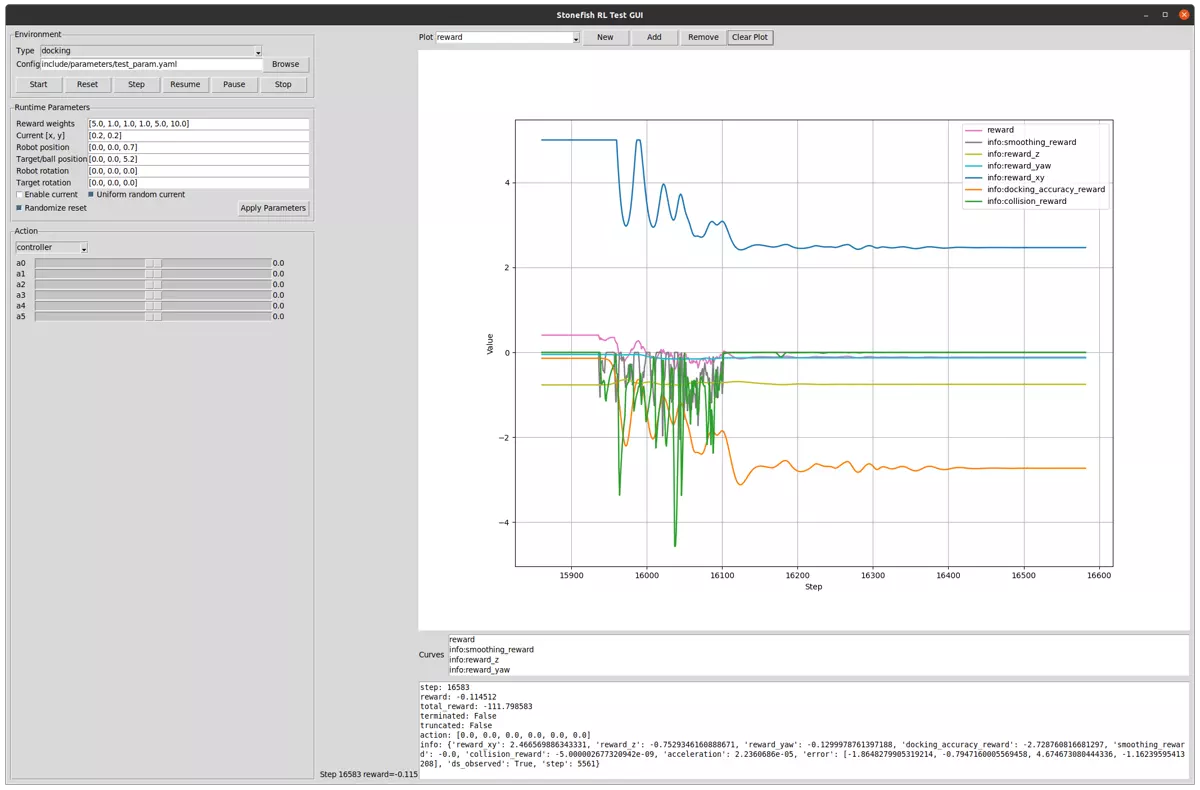
In this image we show the test Gui which allow the user to control the RL parameters for easy testing and debugging. The library is still underdevelopment but can be accessed through this GitHub repository.
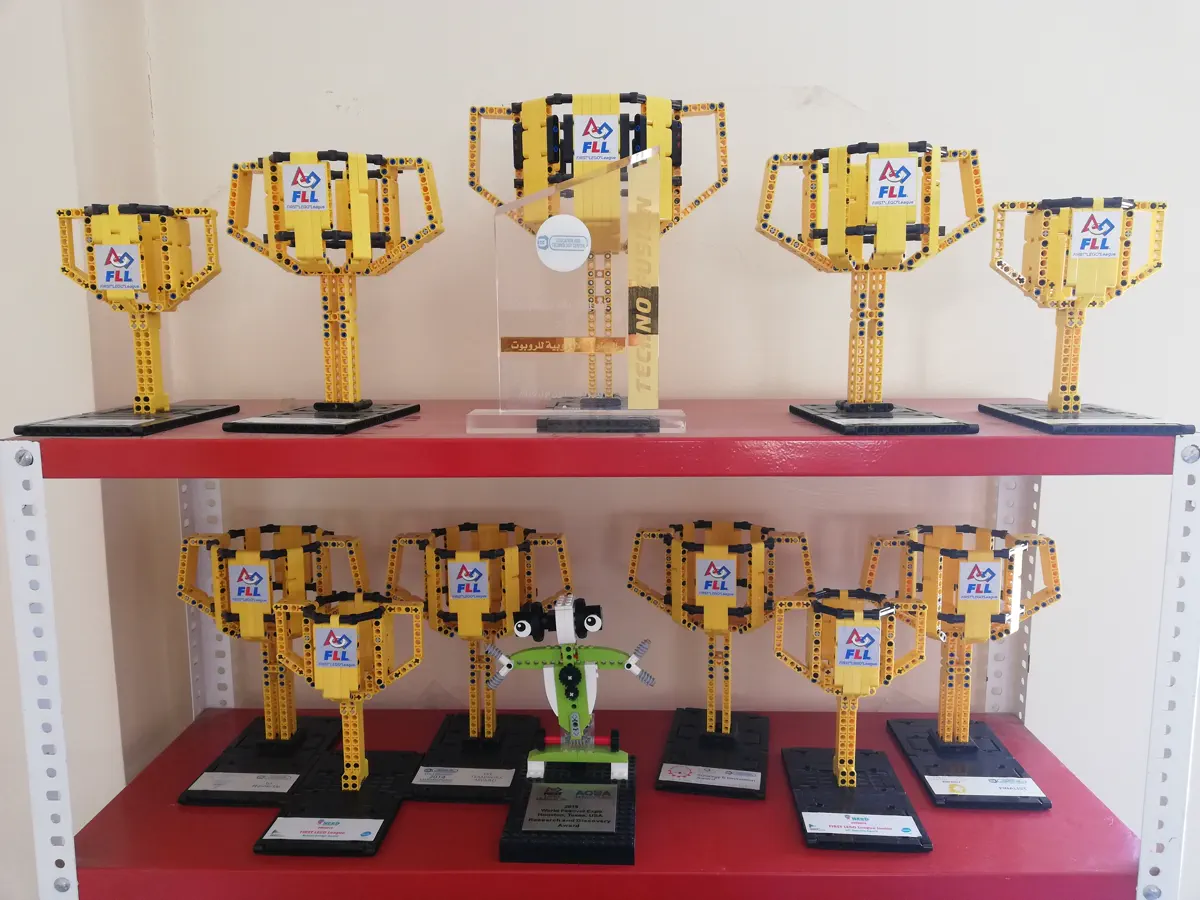
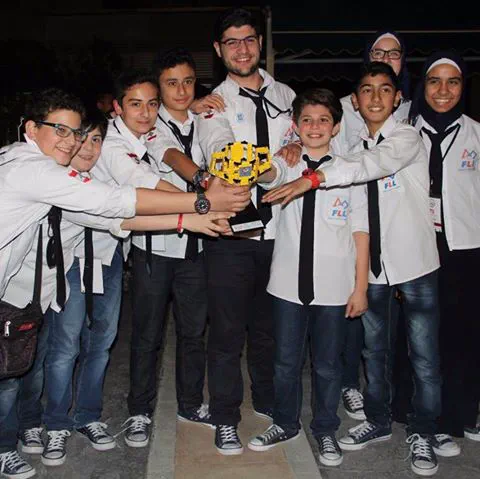
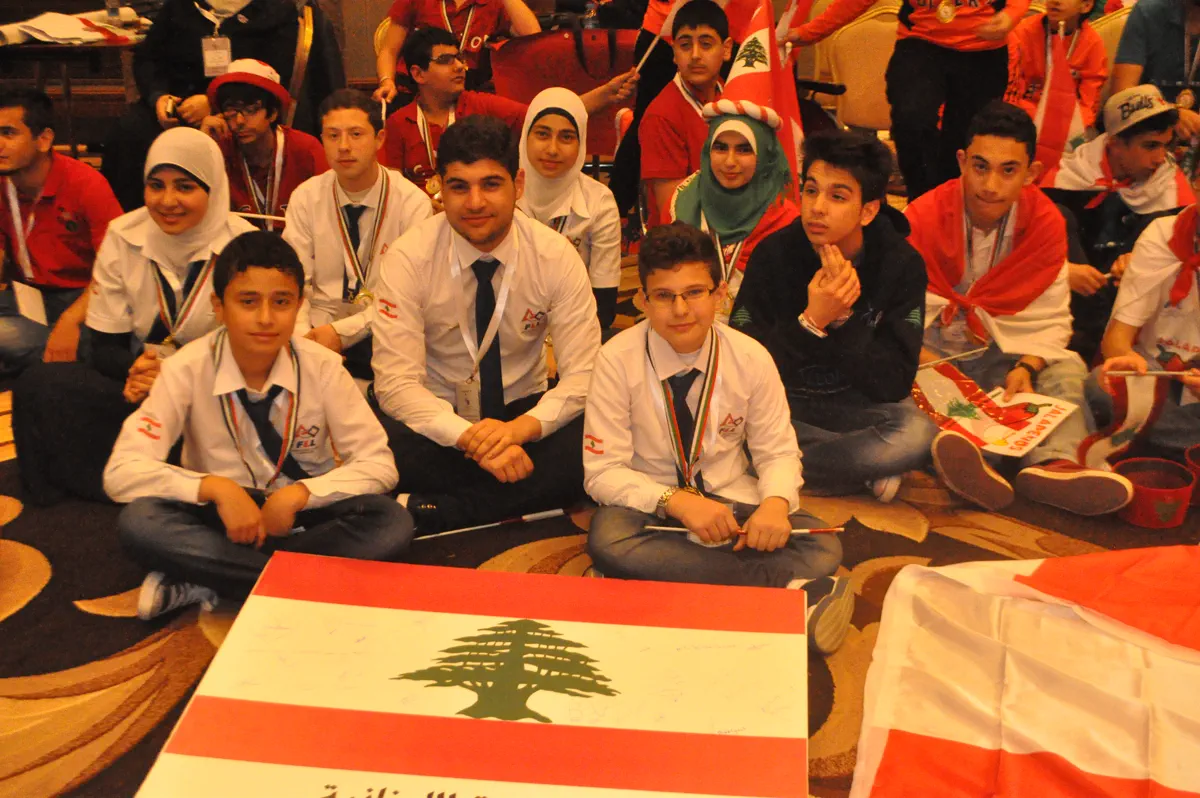
FIRST LEGO League (FLL) and FIRST Global Challenge (FGC) are international competitions for educational robotics. The basis of FLL is a robotics tournament in a cheerful atmosphere, where kids and young students solve a tricky "mission" with the help of a robot. The students research a given topic within a team while planning, programming, and testing an autonomous robot to solve the mission.
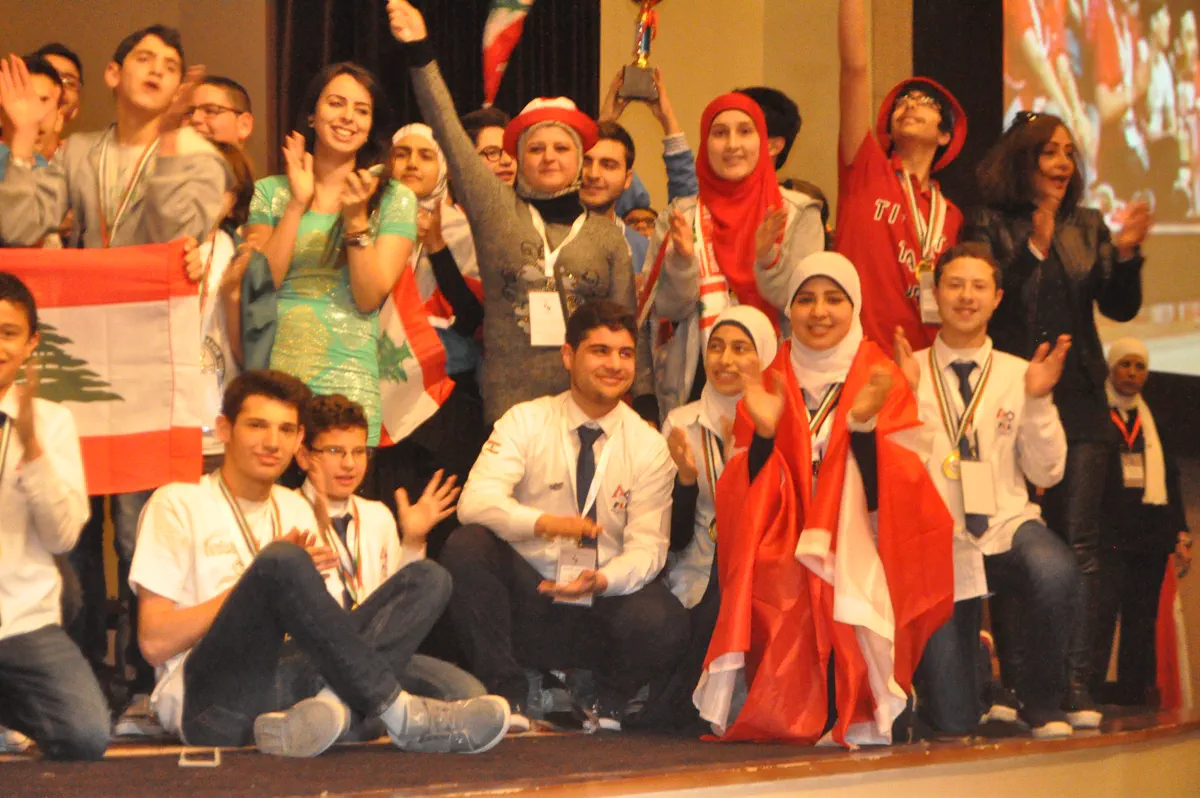
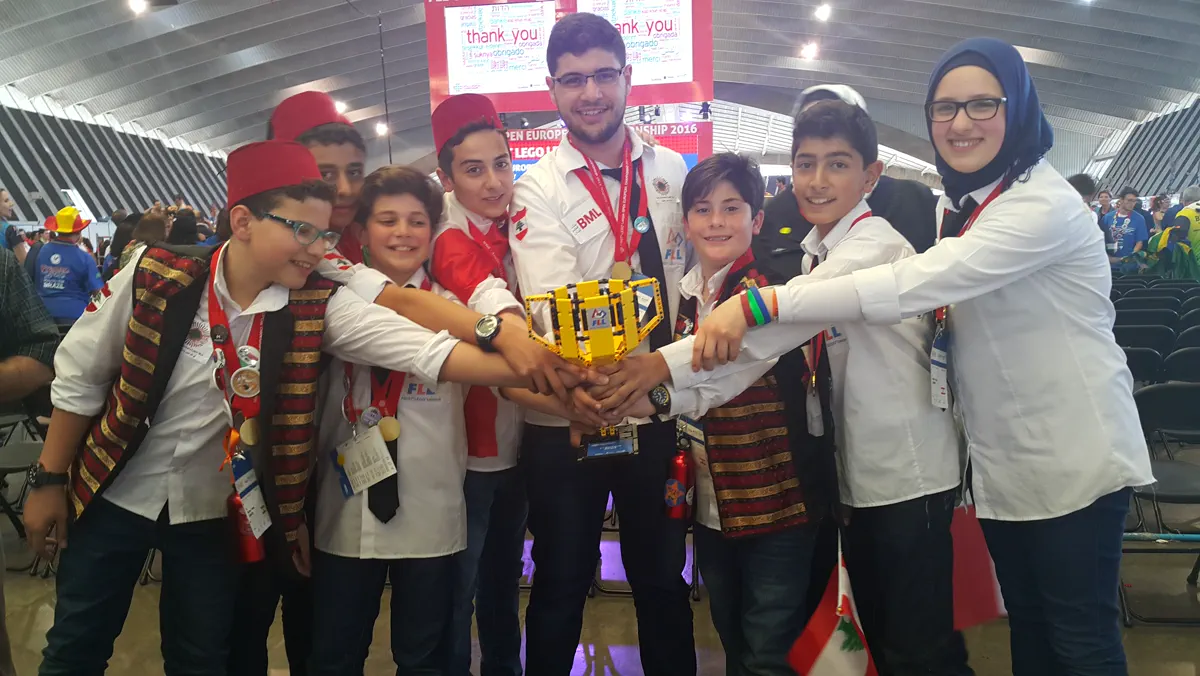
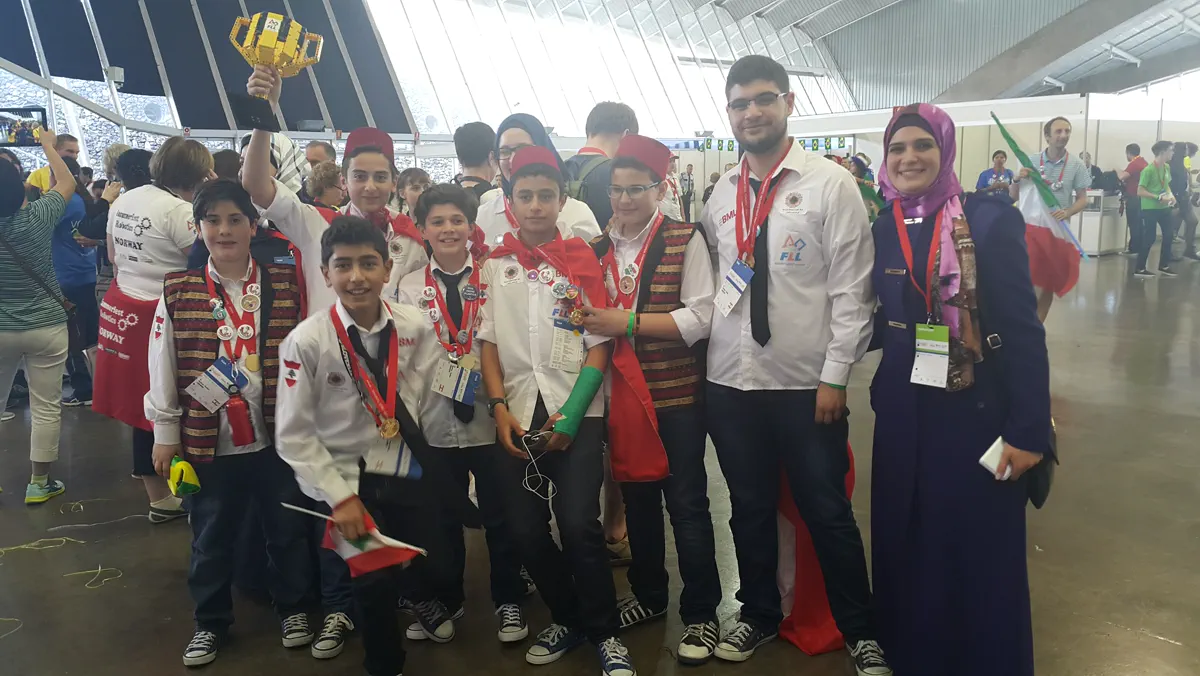
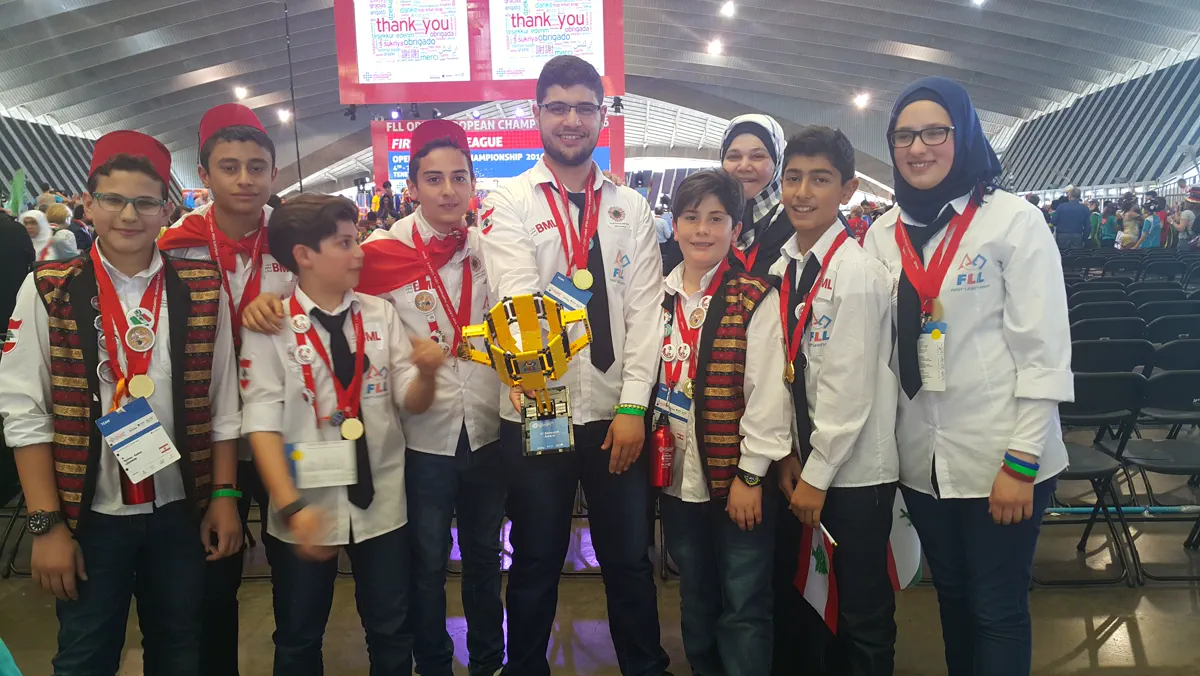
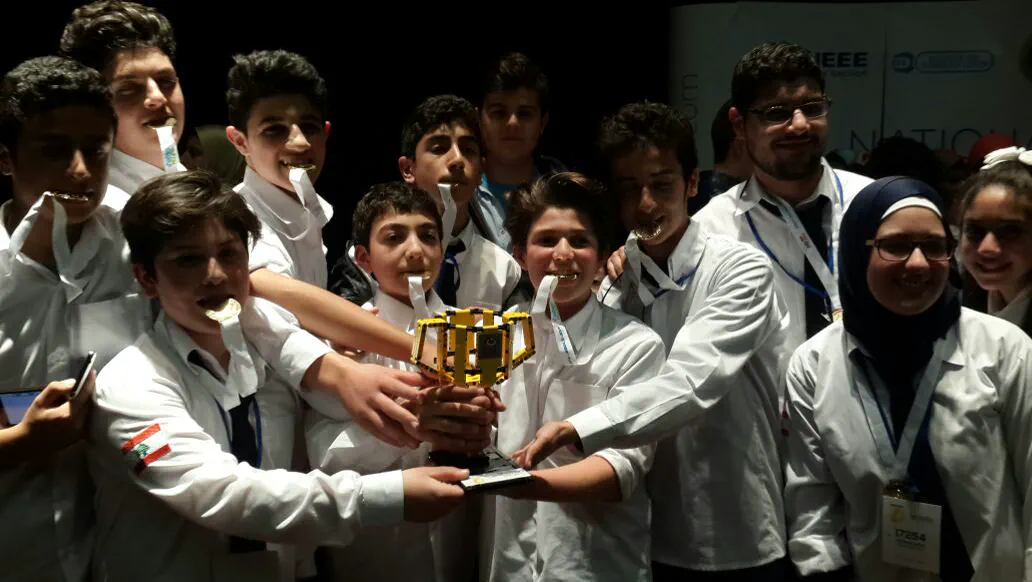
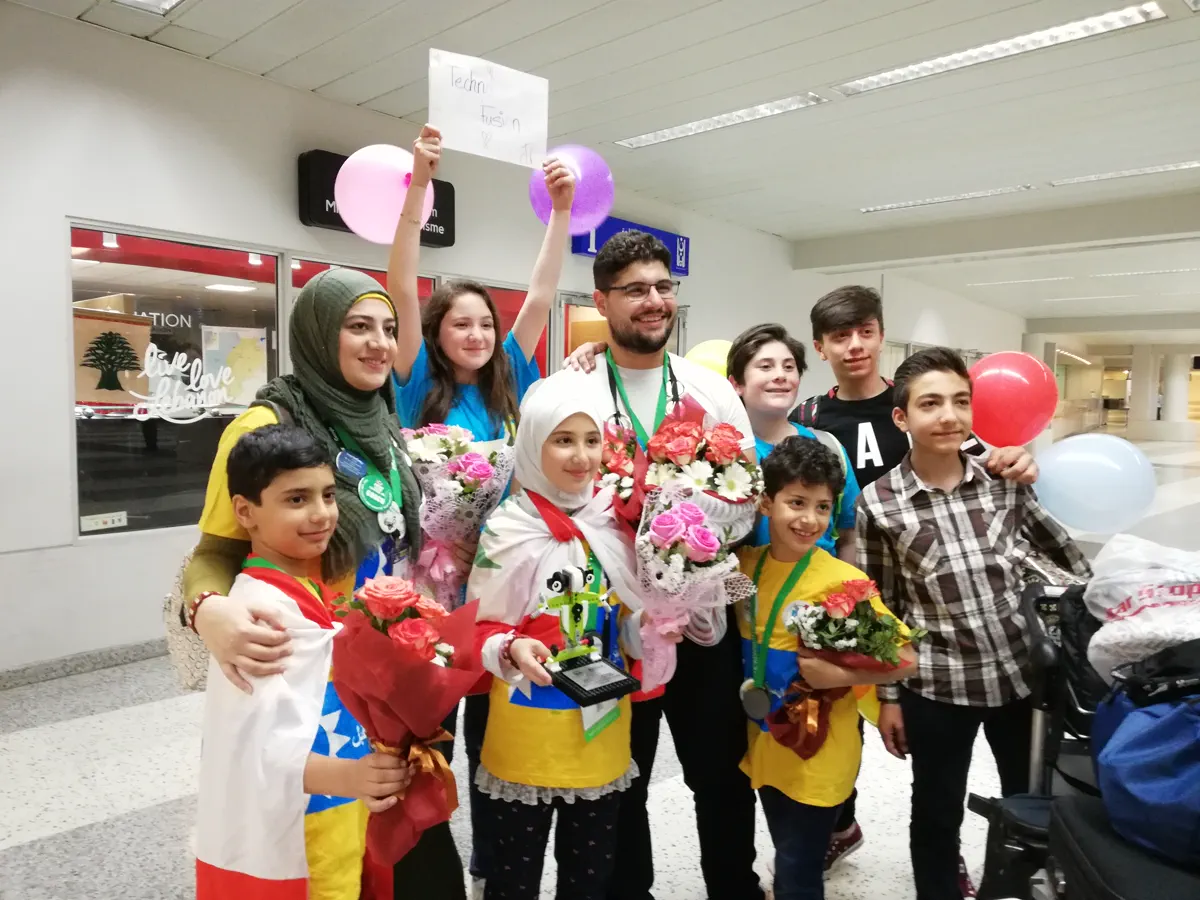
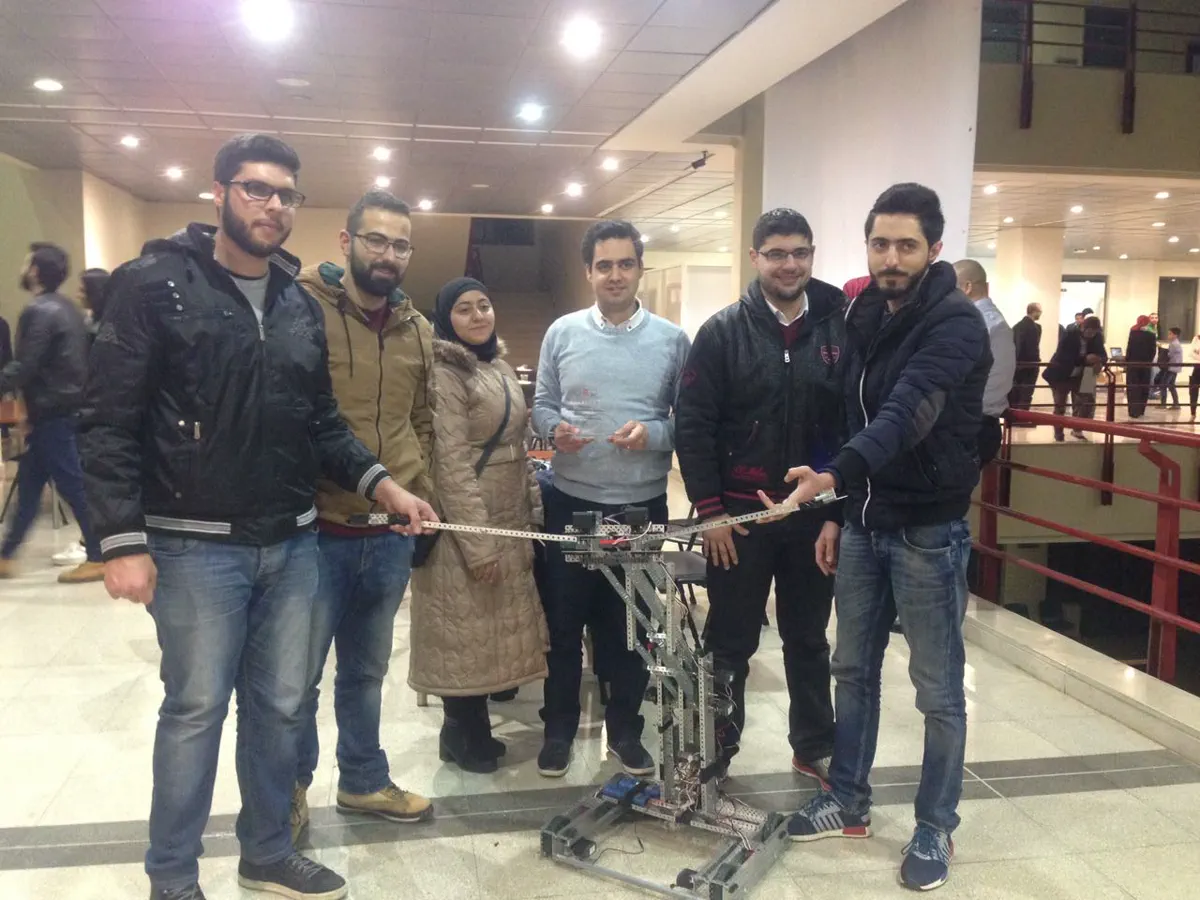
Starting from 2013, I mentored and coached robotics teams. In 2015, we won our first award and represented Lebanon in the Jordan International Open Arab Competition. In 2016, we placed second in Lebanon and presented the project in Tenerife, Spain, at the Open International European Competition. In 2017, we won third place in Lebanon and represented it in London, Bath. In 2018, in the FLL Junior category, we won first place and represented Lebanon in the USA at the world competition. In the same year, we represented Lebanon in the FGC in Mexico City.
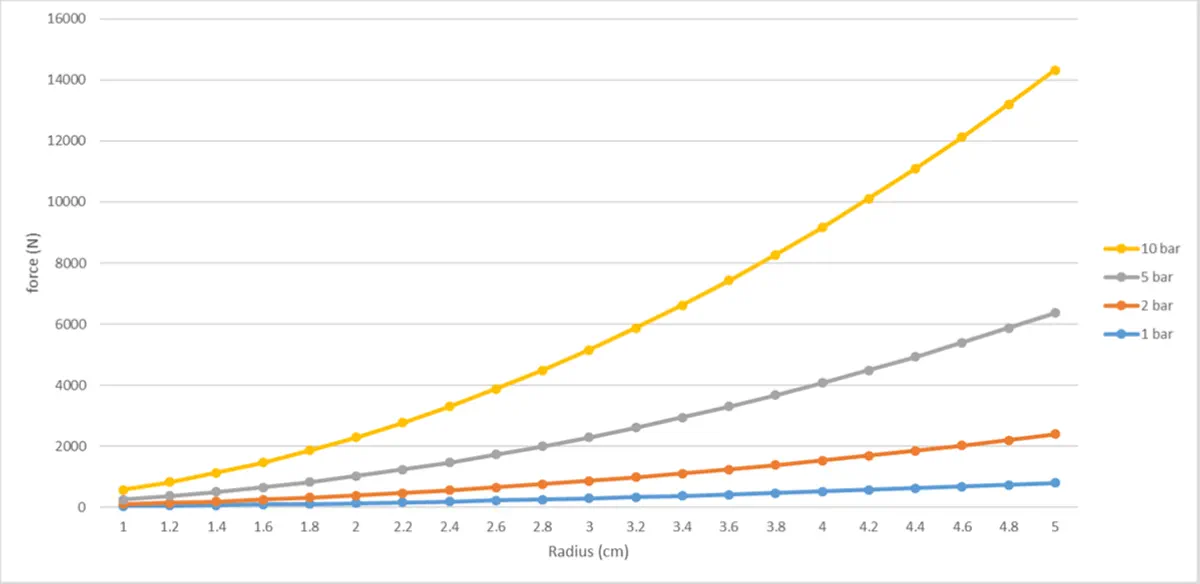
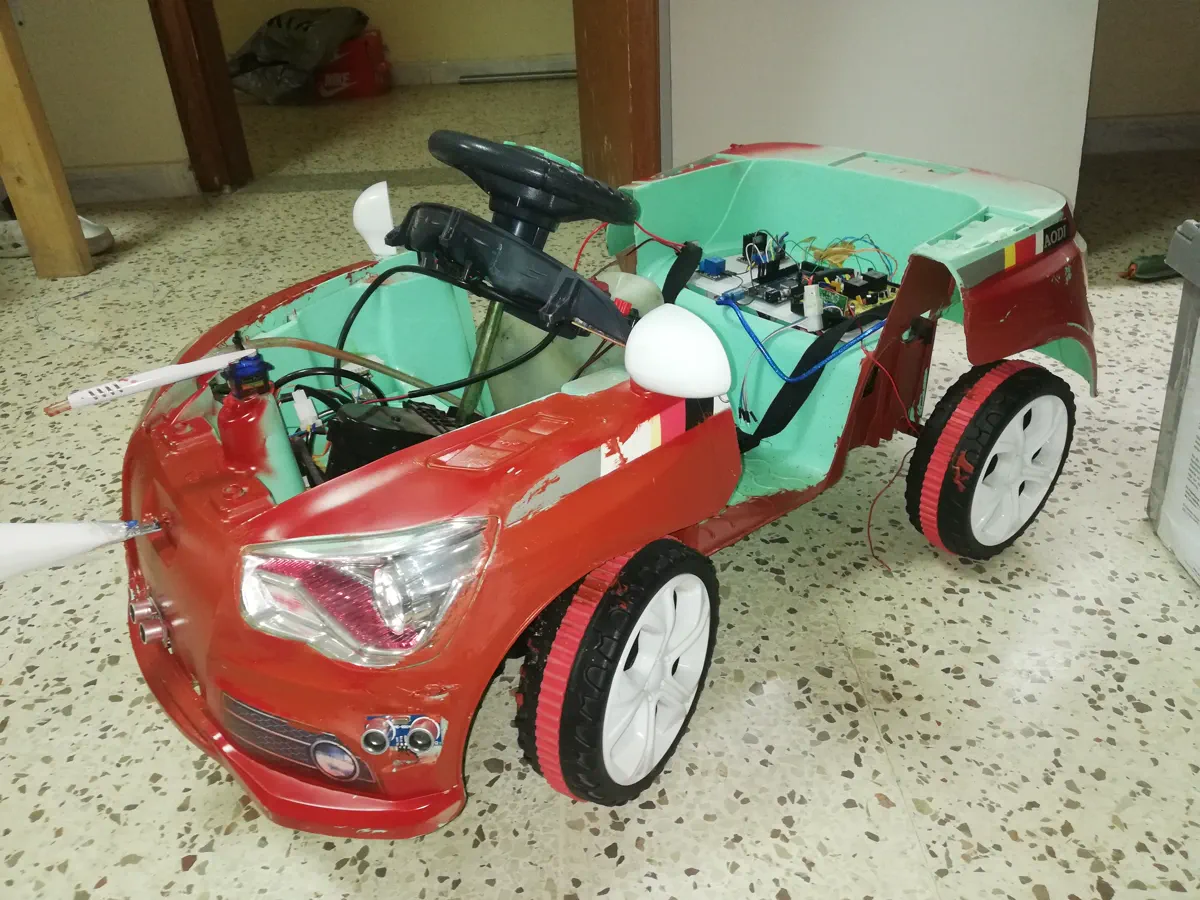
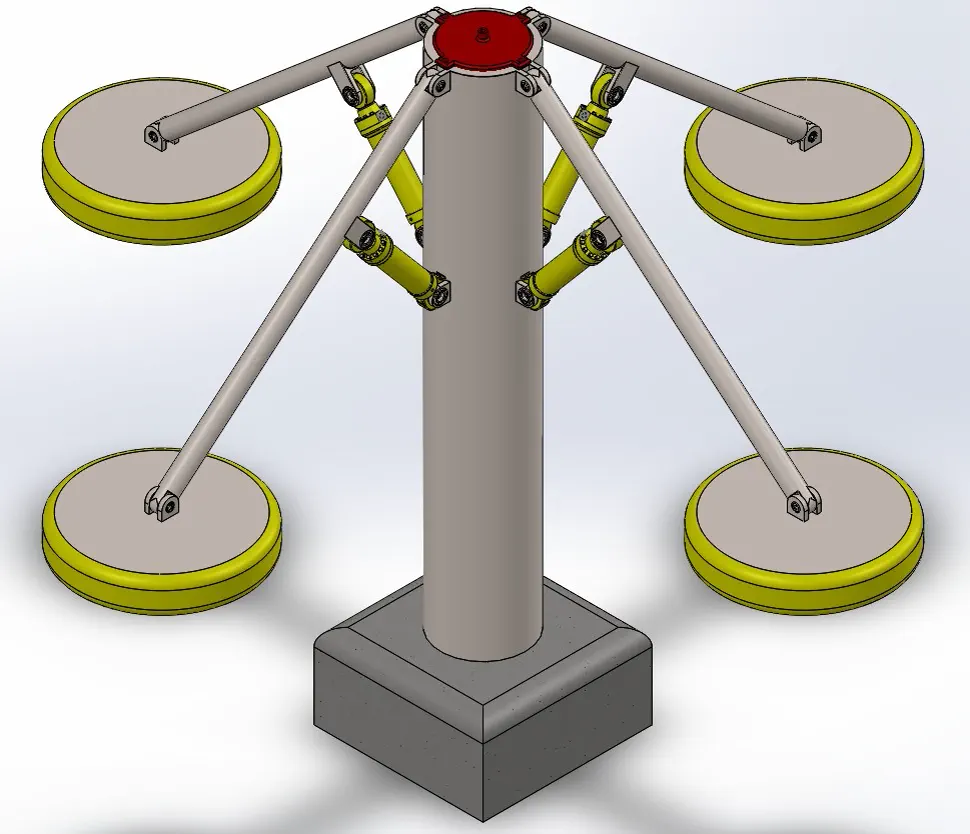
In 2017, in Tenerife, Spain, we won the first Research Award in the FLL category with our project RACTS: Recycle and Compression Trash System. In this project, we developed a system that includes a can compressor, in which we tested the force needed to compress cans and paper cups. The compression process concludes with sorting based on the material type. RACTS also includes a designated area, called the "Everything Area," for other types of trash. This area has a vertical compressor that allows for more efficient storage. RACTS is an effective design for food and coffee areas, where it helps sort cans and paper cups and provides ample storage for trash.
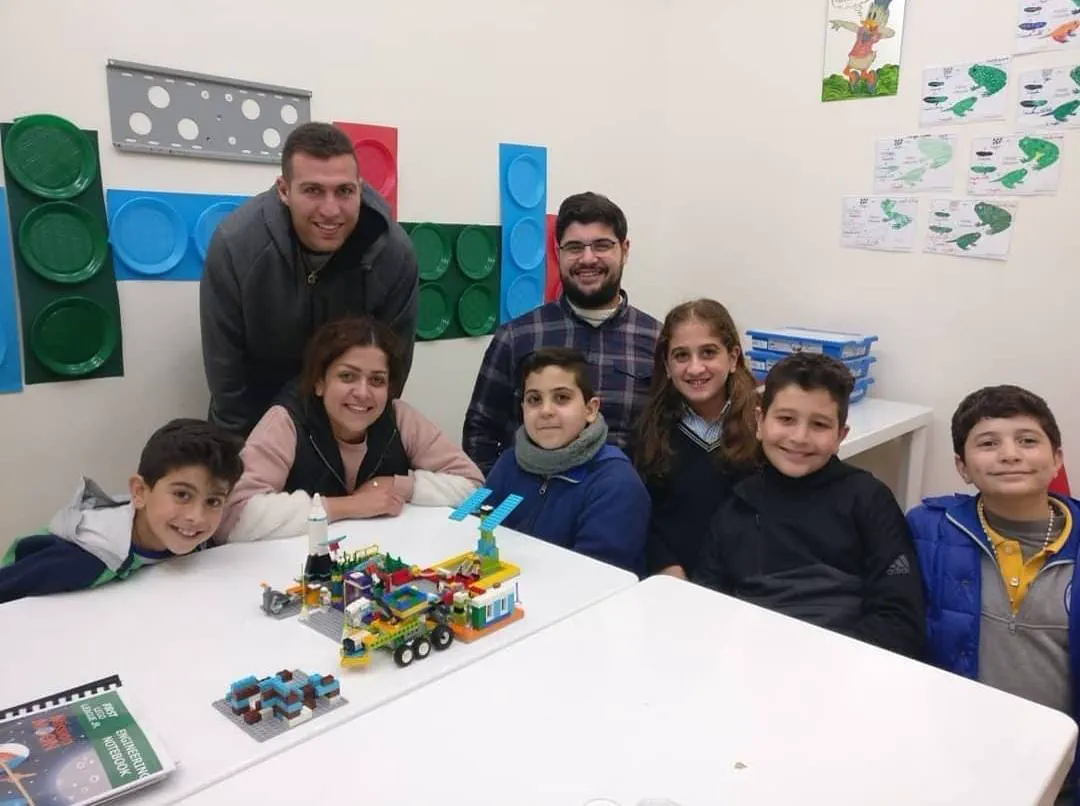
NRC is a robotics center we established in Zghart on Oct 2018. We teach educational robotics for students ages from 5 to 18.
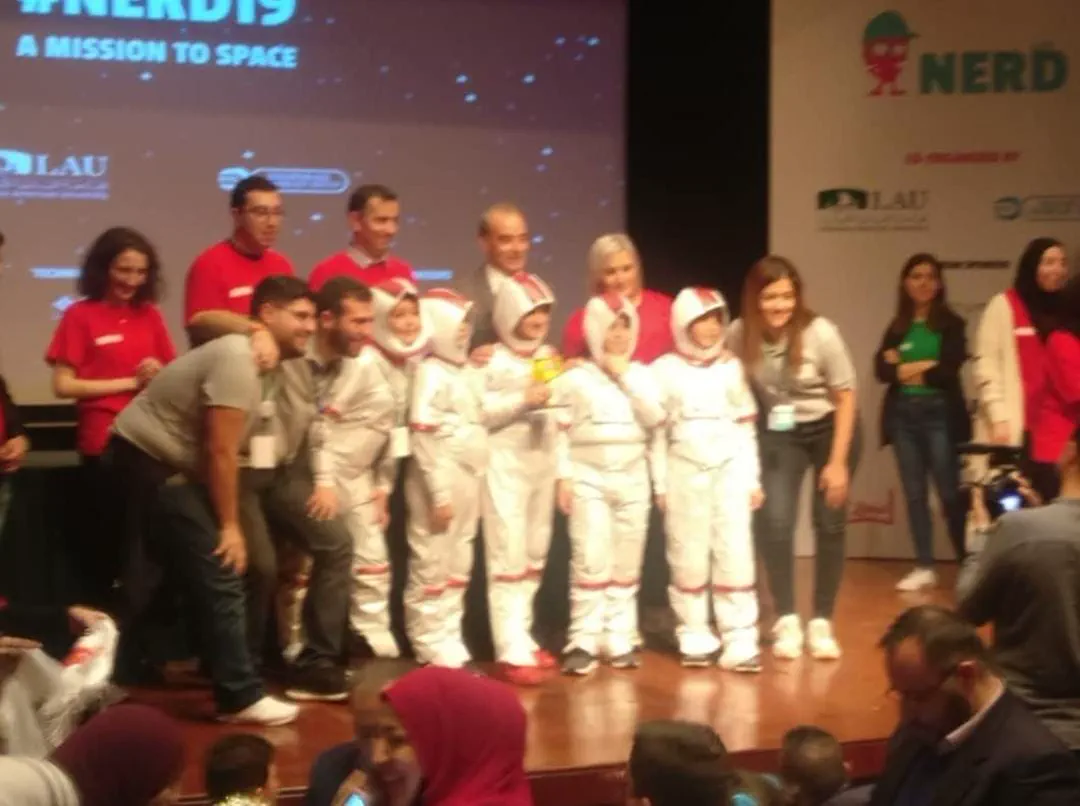
At North Robotics Club, we needed to develop a comprehensive curriculum to teach students everything they need to start their journey in engineering and robotics. We began with two main age categories: ages 6 to 10 for FLL Junior and ages 10 to 16 for FLL. We are now working on expanding to high school and university levels by introducing REX Robotics to the lab. In addition, we offer workshops in art, Spanish, and self-defense. This enhancement to the lab is designed to integrate diverse activities that improve students' concentration. In 2019, we had the opportunity to represent Lebanon in the United States at the Global Robotics Competition. In the FLL Junior category, we presented a solution for the space mission theme, where teams developed a theoretical system to enable humans to live on the moon. This project taught students a great deal about current technology and encouraged them to research and brainstorm solutions. It also helped them improve their communication and presentation skills.
Note: Unfortunitly we are facing a very hard time in Lebanon so our activities these days are limited, Wish us safety. And I hope lebanon situation becames stable again.
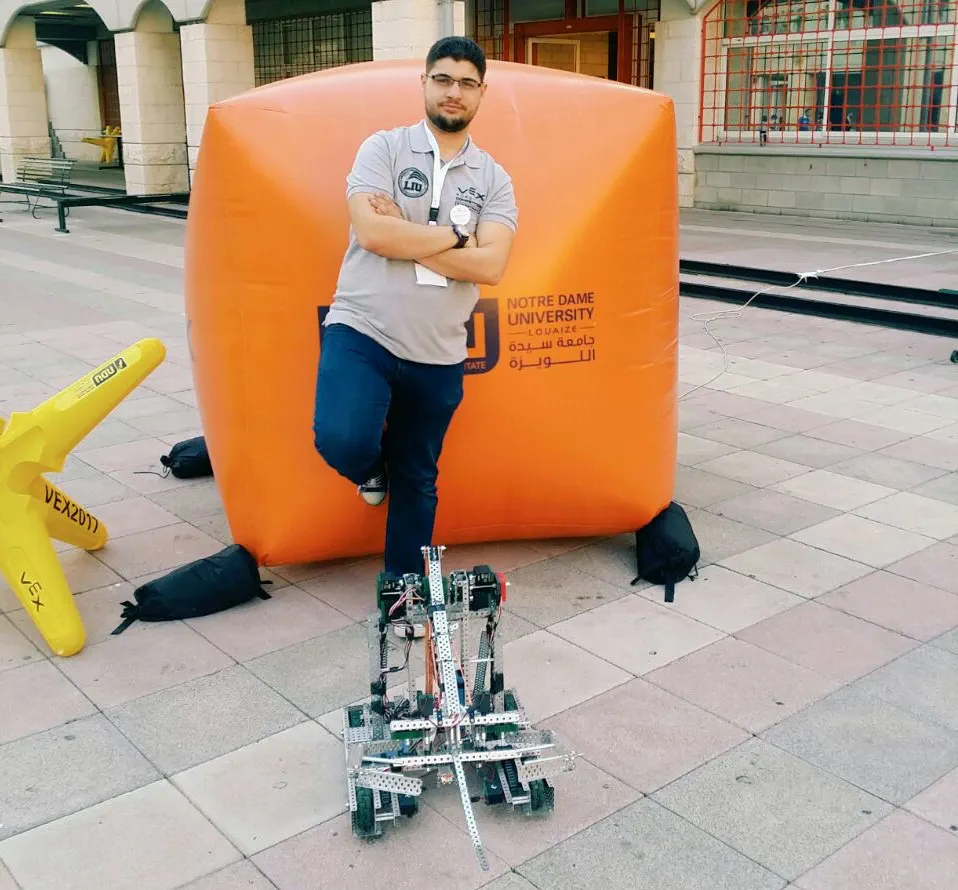
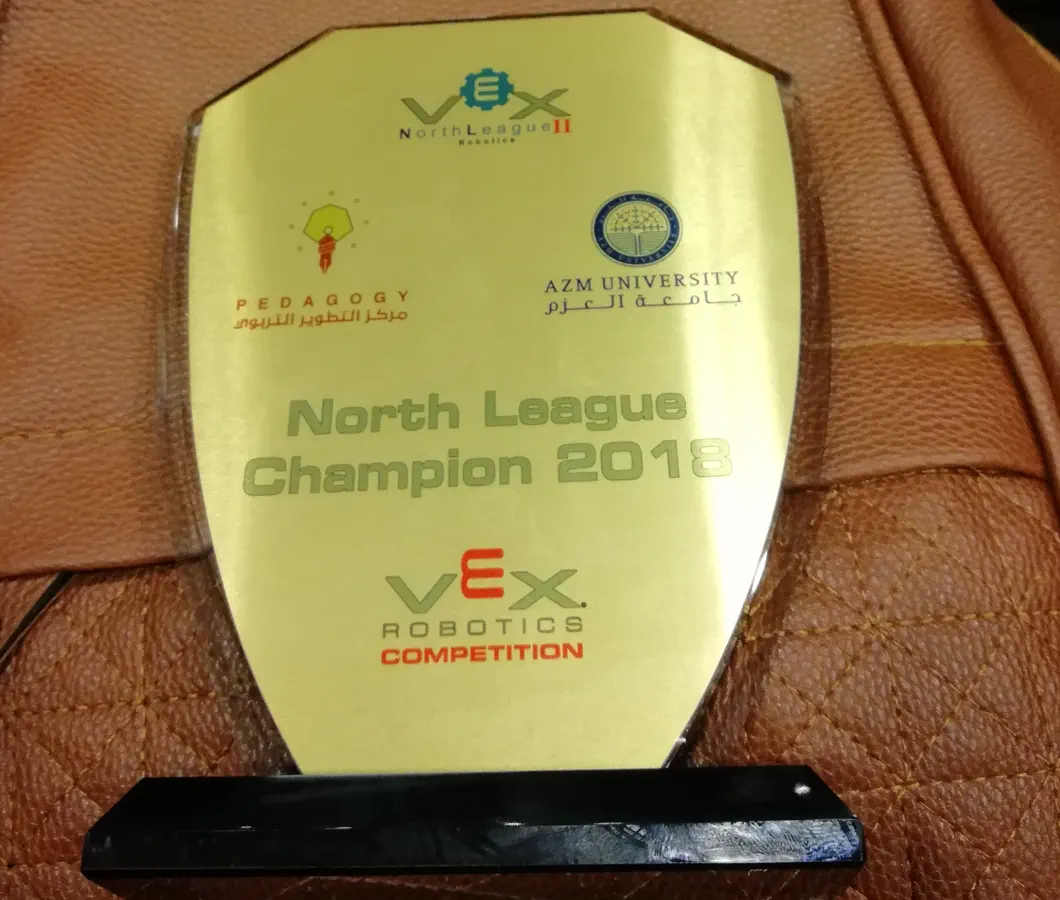
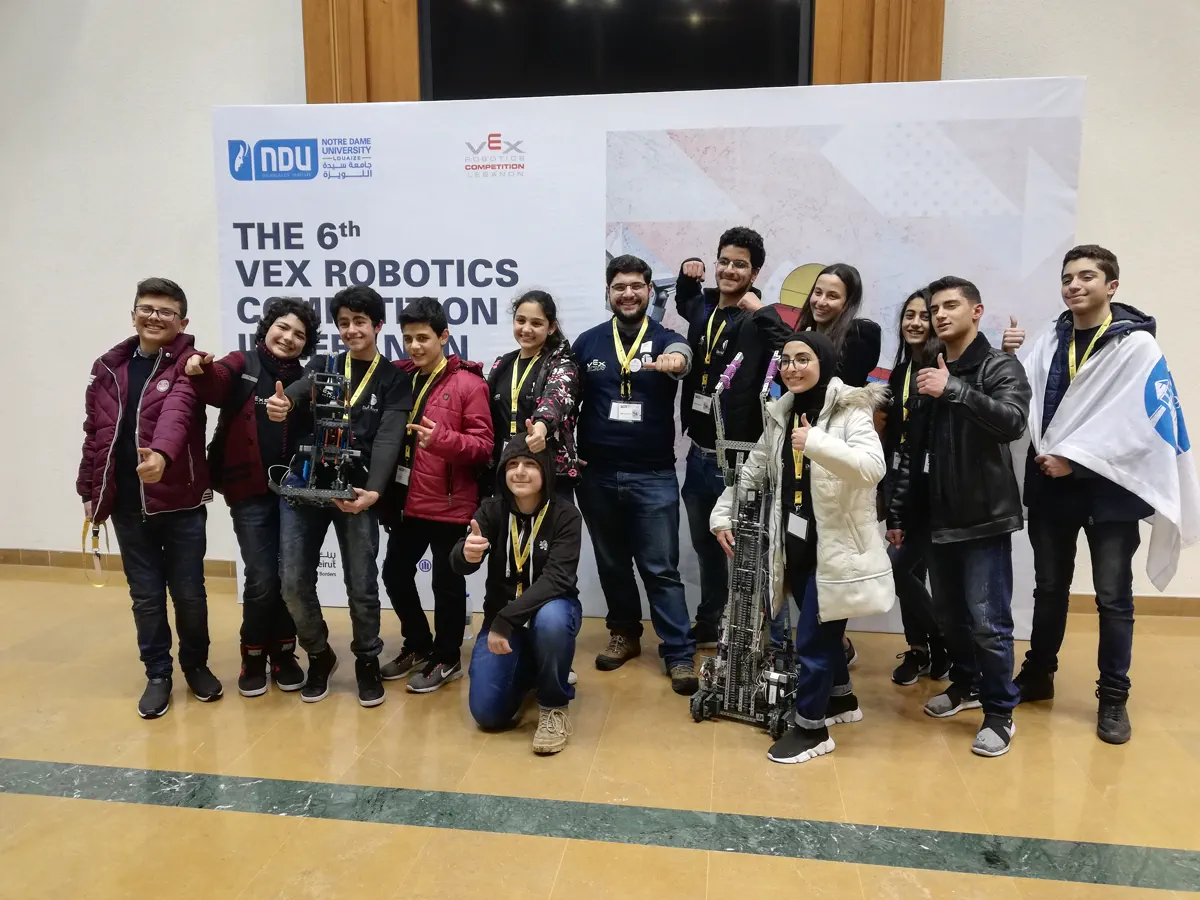
Eagle Team is the LIU team established on 2016 to represent the University in the Lebanese National Competition for robotics VEX
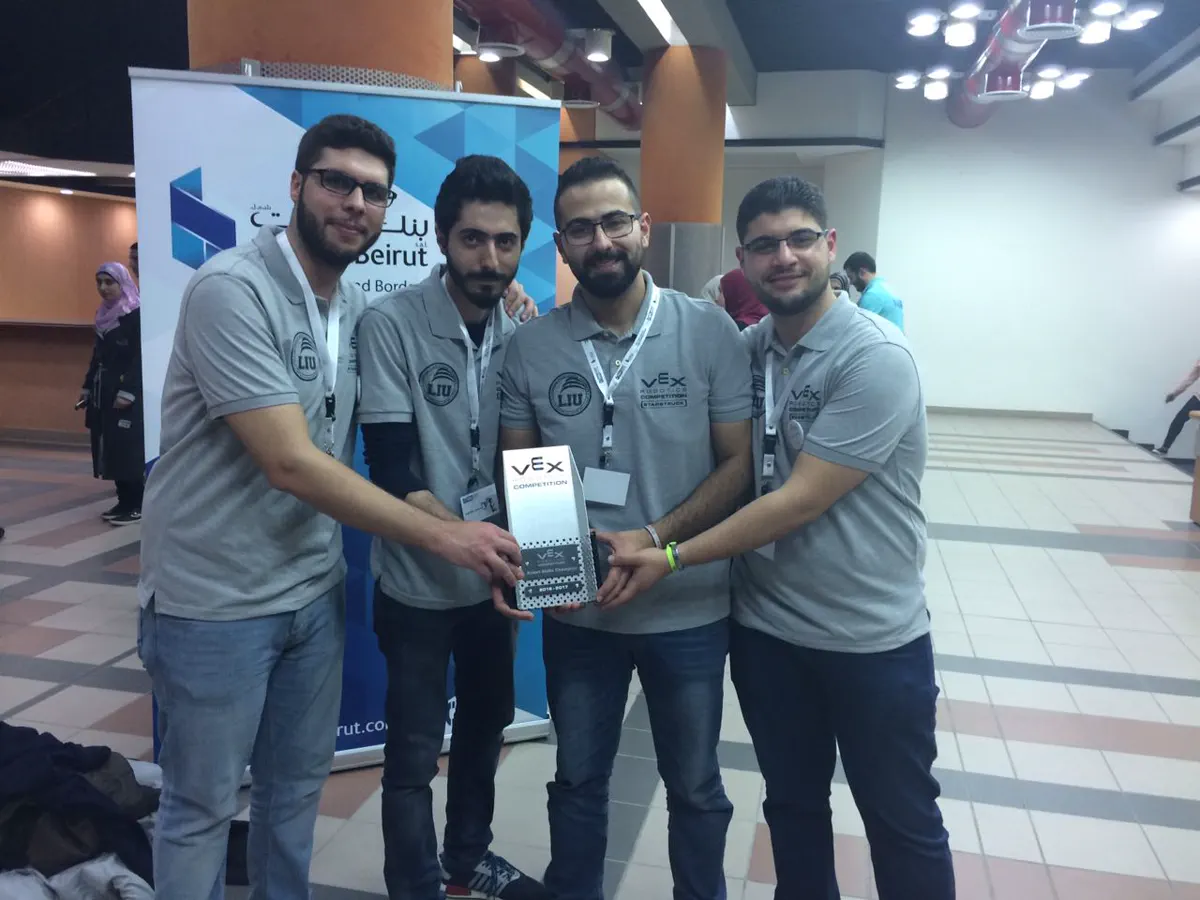
As part of the 2016-2017 LIU University robotics team, we developed, designed, assembled, and programmed a VEX robot. The competition games are divided into three modes. The primary mode is a combination of autonomous and remote operation, where the robot starts with a 20-second autonomous task, followed by 1 minute and 40 seconds under driver control. In this mode, two teams compete on the field to score the highest points. The second mode is fully autonomous, where the robot operates independently for the entire time, executing programmed tasks. The third mode is fully remote-operated, focused on a quick run to see how many points can be scored in a limited time.
Unity is VEX team in David Karam Education Center, Alkora Lebanon. The team competed in two categories, the IQ and EDR. The name of EDR did change and now it is called V5.
Beyond the VEX competition requirements for robotics, our team developed innovative solutions. For two years, we tested and built various systems, incorporating complex mechanics such as four-bar and six-bar linkages, linear extension mechanisms, gear transmission, and control systems. VEX Robotics also teaches essential electronics skills, including connections, communication protocols, drivers, and remote access. In addition to robotics and programming, these competitions enhance communication skills, teamwork, problem-solving, and stress management.
Pedagogy, the portal of Educational Development, is a consulting firm that offers a wide range of educational services to academic institutions locally and in the MENA region. Pedagogy follows a comprehensive approach to foster quality education within learning communities. Through consultancy services, we work on developing the systems through which institutions operate on the various facets of academic, management, marketing and financial processes.
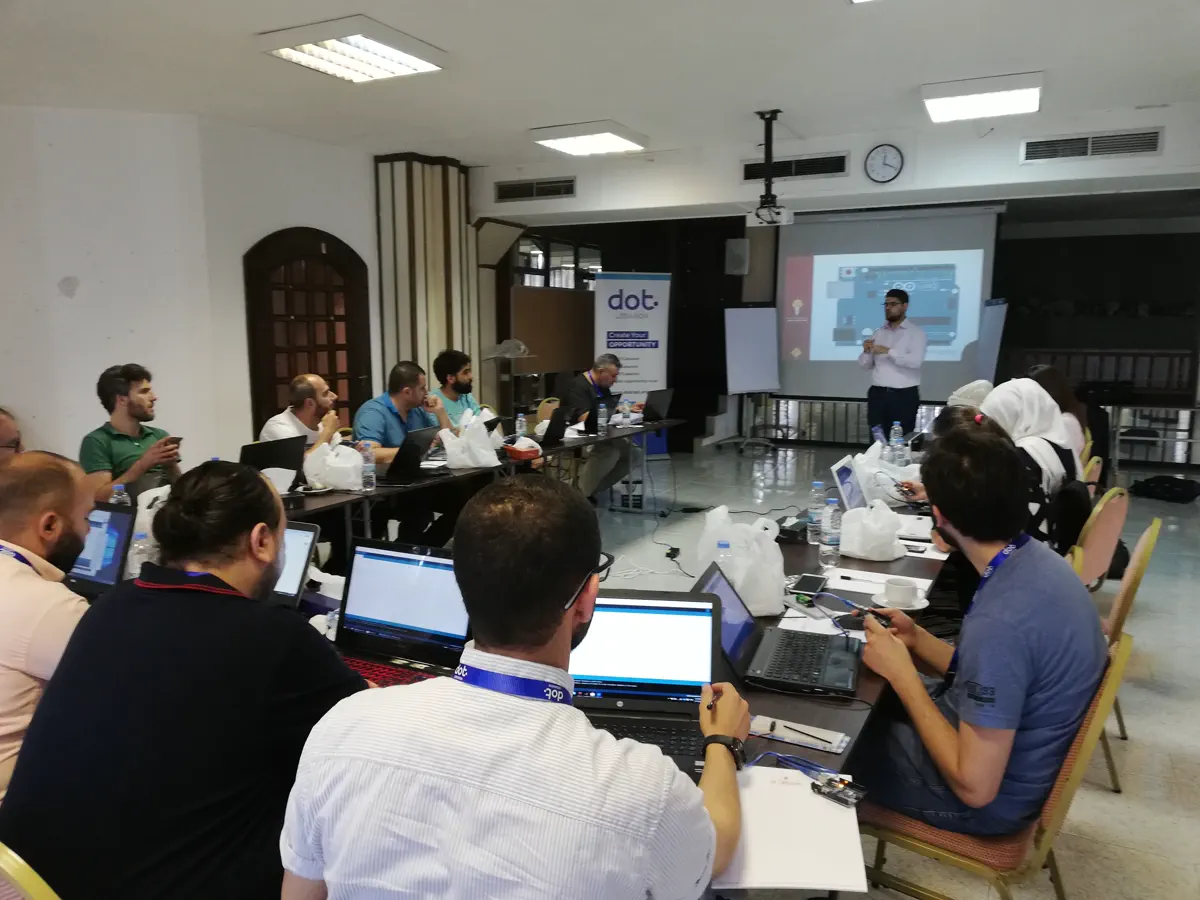
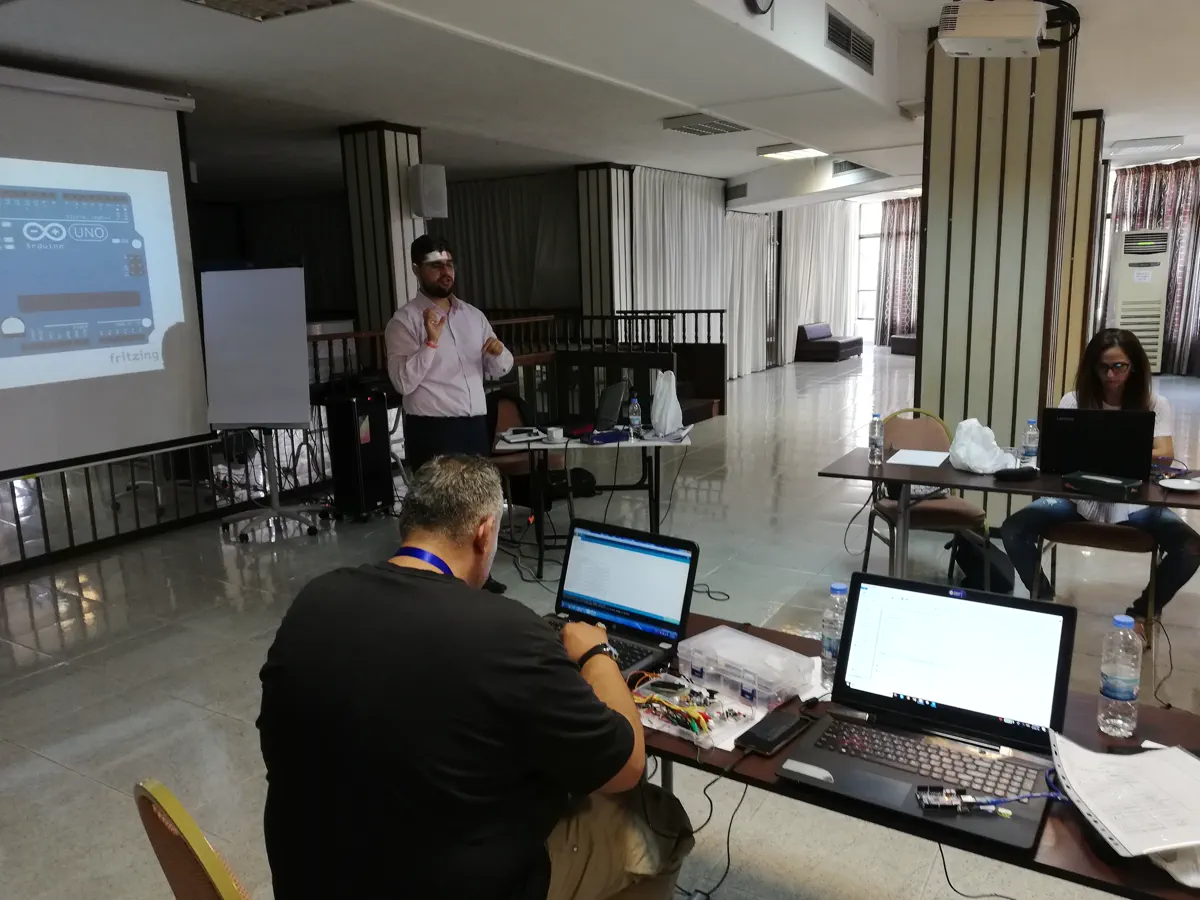
In three months, we were tasked with delivering a 20-lesson curriculum for Arduino, complete with a teacher guide, student guide, programming solutions, and kit components. The curriculum focuses on applications related to robotics and automation. It includes 19 lessons covering foundational topics and interactive activities. The final activity teaches students how to implement an irrigation system, as agricultural robotics is one of the most trending fields. Upon delivery, Alaaeddine conducted a "Training of Trainers" (ToT) session for 30 teachers to prepare them to use the curriculum effectively.
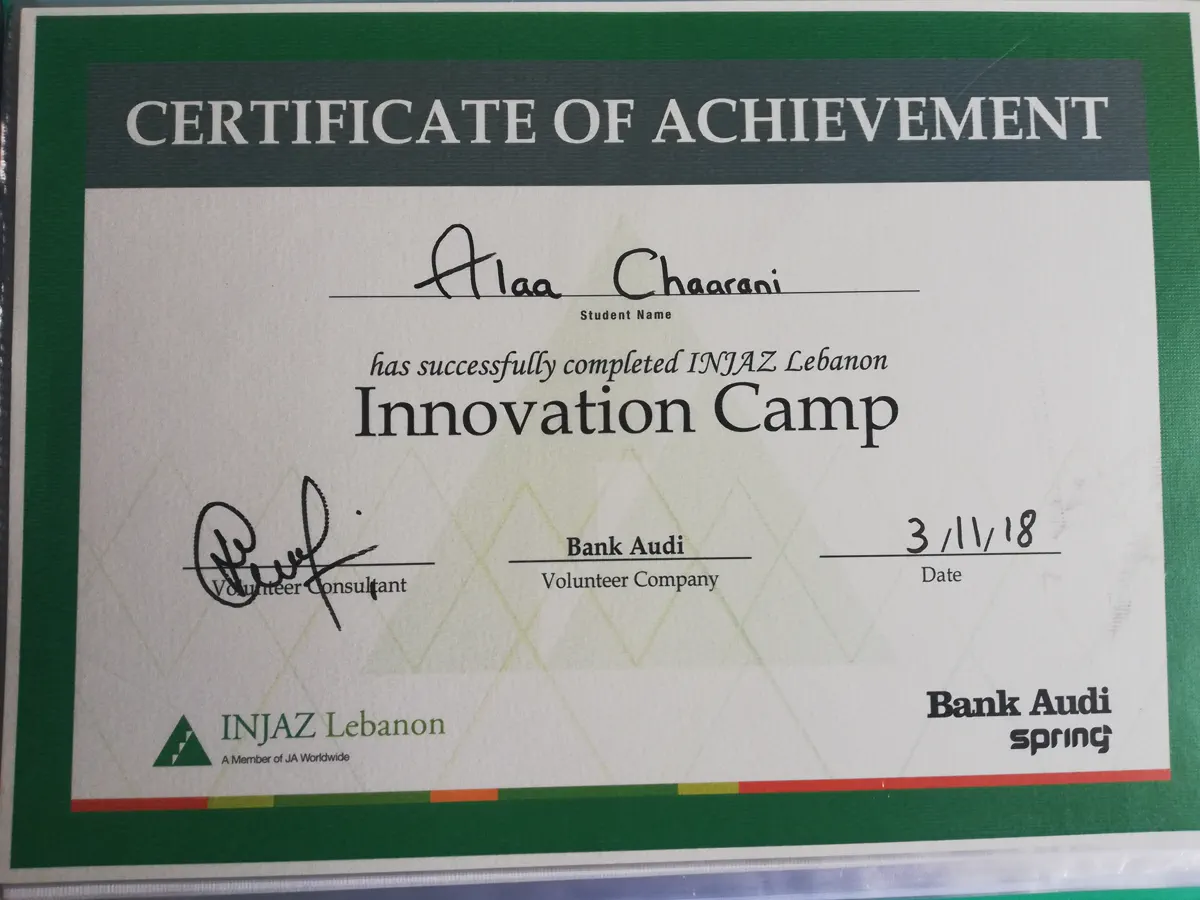
INJAZ Lebanon, a non-profit organization, aims to educate and prepare Lebanon’s youth to become qualified and successful employees and entrepreneurs in a growing regional and global economy.
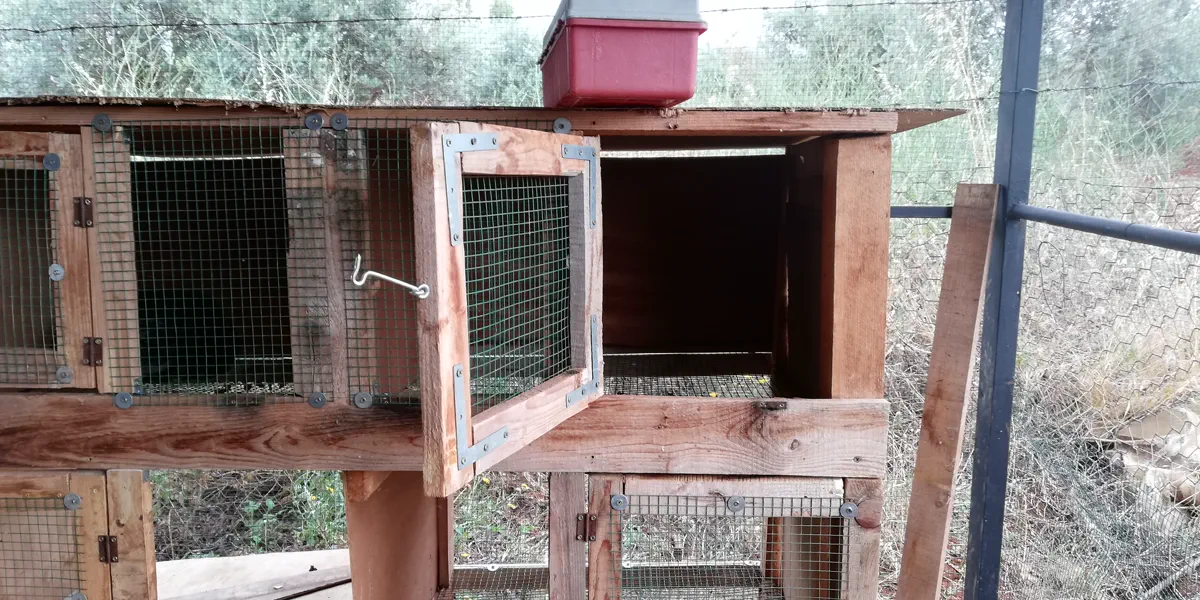
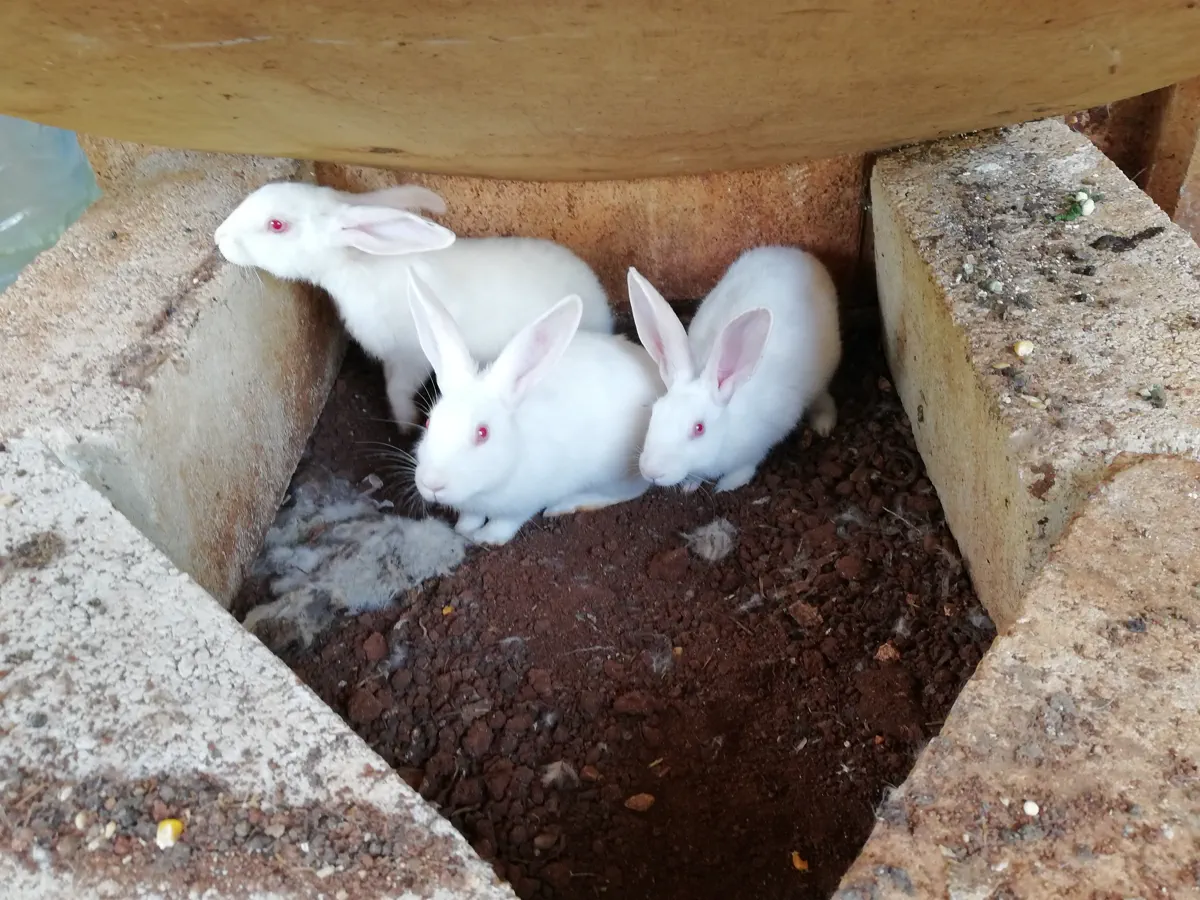
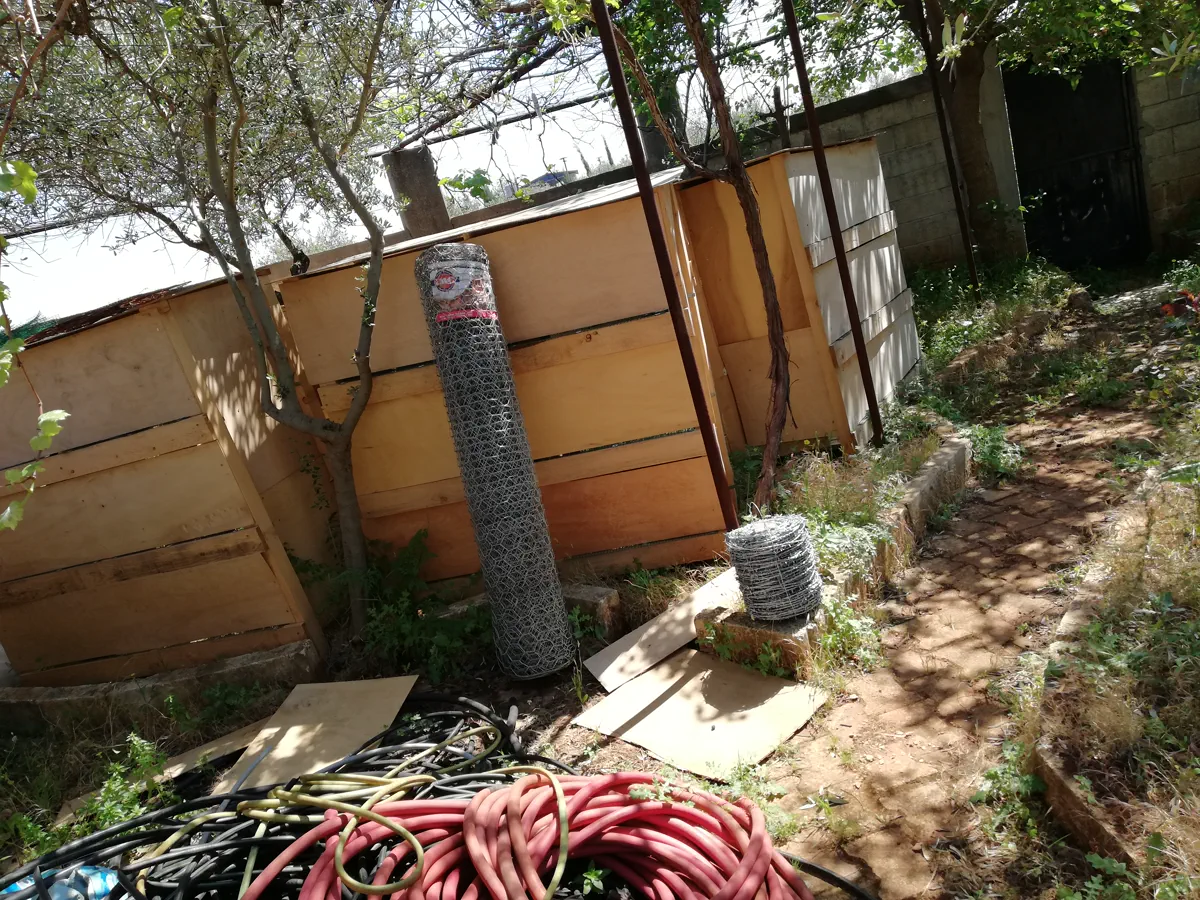
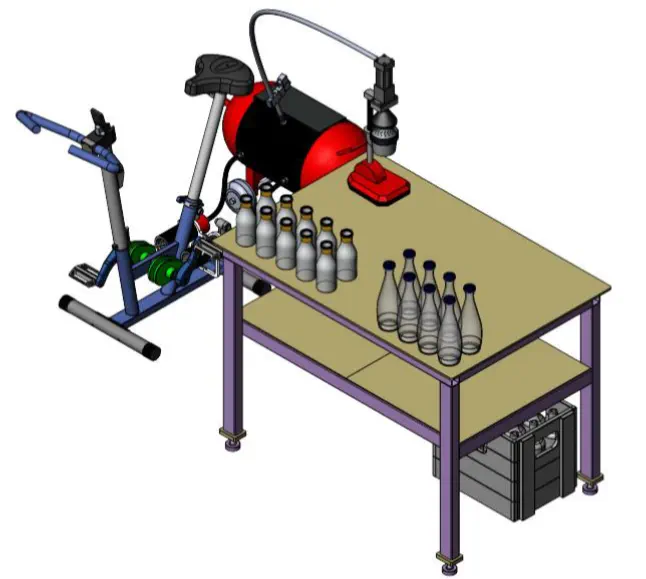
In this project, we learned how to apply the Business Model Canvas using various tools. It also taught us about financial and risk management. In total we had two month of workshops, 2 sessions everyweek. I'm proud of this experience, as we pitched our ideas, and the winners received a $2,000 fund to start their own startups. I worked extensively on structuring and designing to build the rabbit housing. However, I faced some challenges that led me to pause the project in 2019.
Starting in Lebanon, I delivered multiple projects and taught students. Now I use Upwork to deliver projects and connect with clients.
In these projects, I provided consultancy and guidance for bachelor's and master's students.